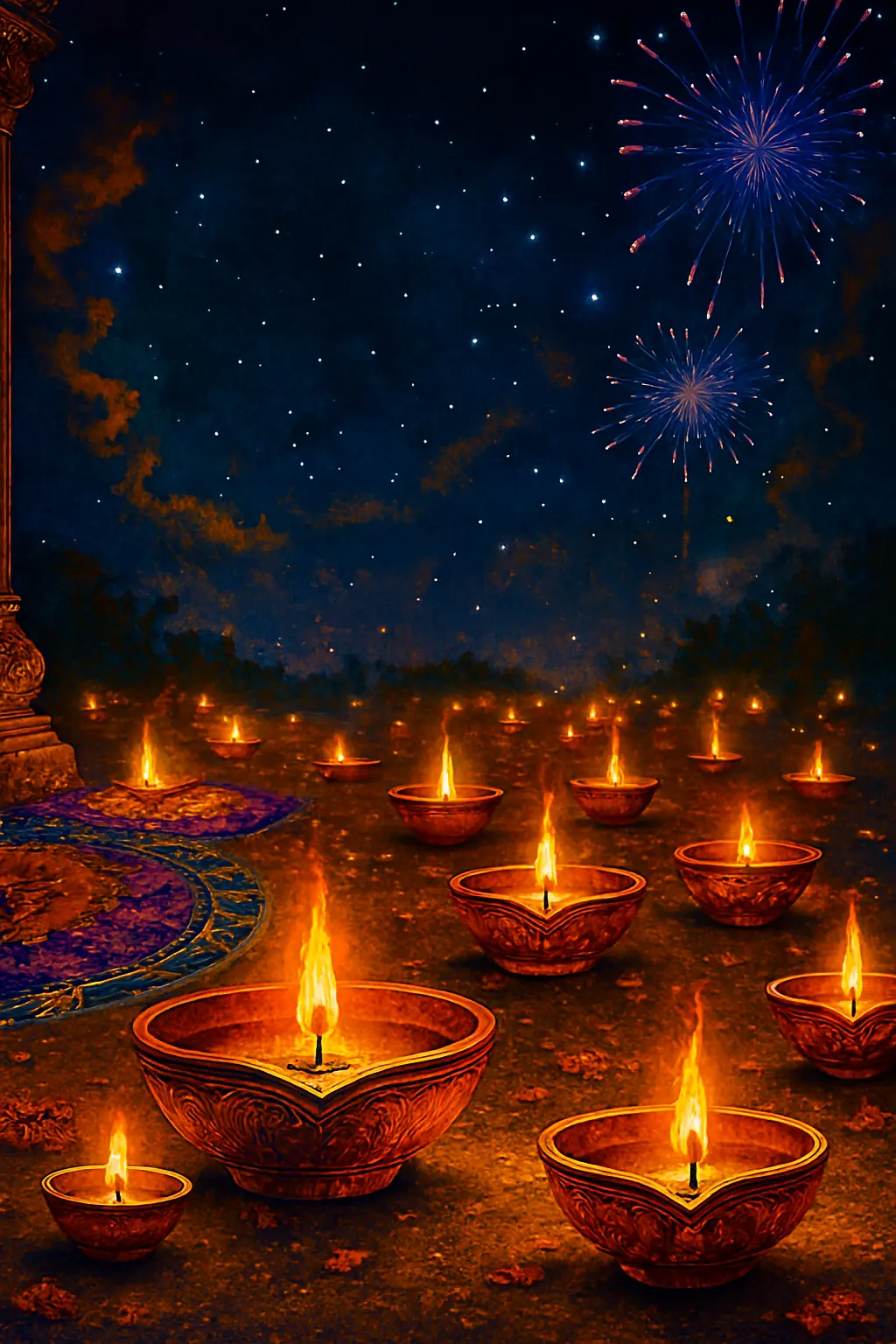
1. The Divine Power of Diwali: Why We Celebrate Light on the Darkest Night
Why Is Diwali Celebrated on Amavasya Night – The Cosmic Meaning Behind It
Every year India lights up with diyas, rangolis and joy during Diwali. Families decorate their homes, exchange sweets and welcome Goddess Lakshmi. But have you ever noticed that Diwali always comes on Amavasya, the new moon night, when the sky is at its darkest?
It may sound strange that the festival of light is celebrated on a night of total darkness. Yet, there is a deep cosmic and spiritual reason behind this timing.
What Is Amavasya
Amavasya is the night when the moon is not visible at all. It is the last day of the lunar month and marks the end of one moon cycle. In Hindu tradition, Amavasya is seen as a time for ending old energies and starting fresh.
It is believed that during this time the mind becomes quiet and receptive to divine energy. That is why saints and spiritual seekers perform meditation, prayers and cleansing rituals on Amavasya.
Why Diwali Falls on Amavasya
Diwali comes on Kartik Amavasya, which usually falls between October and November. This is a time when the Sun and Moon come together in the zodiac sign Libra, which represents balance.
According to Vedic astrology, this union of the Sun and Moon creates a strong cosmic energy. It helps in removing negative vibrations and welcoming light, wealth and peace into life.
In simple terms, Diwali night is the turning point from darkness to light both in nature and in human consciousness.
Mythological Stories Behind Diwali and Amavasya
- Return of Lord Rama to Ayodhya: After 14 years of exile and his victory over Ravana, Lord Rama returned to Ayodhya on the night of Kartik Amavasya. The city was dark, so people lit oil lamps to welcome him home.
- Goddess Lakshmi Emerged from the Ocean: It is believed that on this night Goddess Lakshmi appeared from the ocean of milk during Samudra Manthan. This is why people worship her on Diwali to invite wealth, peace and happiness into their homes.
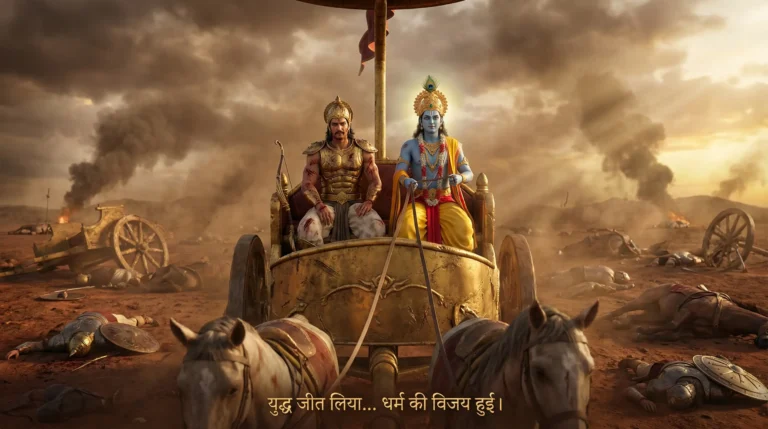
- Victory of Lord Krishna over Narakasura: Lord Krishna defeated the demon Narakasura before Diwali. His victory brought freedom and light to the people, marking the end of fear and darkness.
The Spiritual Meaning of Diwali on Amavasya
Amavasya represents darkness, ignorance and ego. Lighting lamps on this night shows the victory of awareness over ignorance. When we light a diya, we remind ourselves that even one small flame can remove great darkness.
The outer light we see in lamps is a reflection of the inner light of the soul. Diwali teaches us to clean our hearts from anger, jealousy and fear, and to fill it with love, gratitude and peace.
Cosmic Energy of Diwali Night
The energy on Diwali night is very powerful because of the new moon. It is a time when the atmosphere is calm and energy flows smoothly. Many astrologers say that the vibrations on Kartik Amavasya help in releasing old karma and manifesting new beginnings.
Lighting lamps, chanting mantras and meditating on this night align our personal energy with universal energy. It is believed that Goddess Lakshmi visits clean and peaceful homes that glow with positive energy.
Scientific Explanation
From a scientific point of view, Amavasya is the time when there is a natural balance in the gravitational pull between the Earth and the Moon. The environment becomes still and quiet.
Lighting diyas, meeting family and celebrating together create warmth and positive emotion, which help in keeping the mind happy and calm. The glow of lamps increases oxygen and creates a peaceful atmosphere.
So even in science, light truly heals darkness.
Simple Rituals to Follow on Diwali Amavasya Night
- Light at least 13 diyas in different parts of your home, especially in the dark corners of home, washrooms etc for protection and peace.
- Chant Om Shreem Mahalakshmaye Namah to attract abundance.
- Pray to Goddess Lakshmi and Lord Ganesha for wisdom and prosperity.
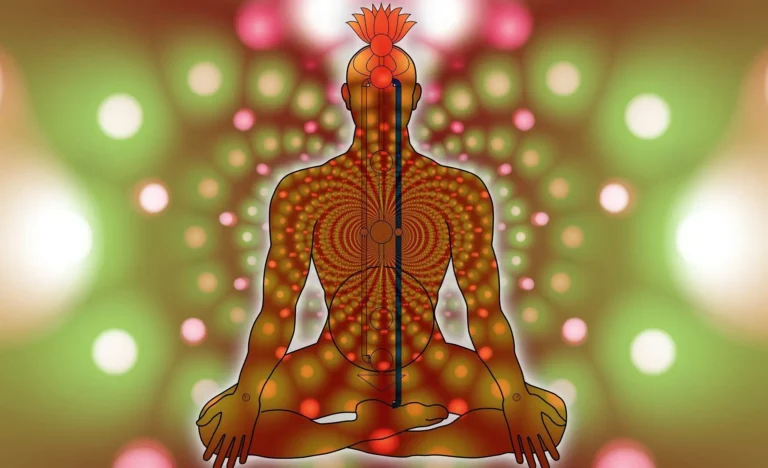
- Meditate for a few minutes focusing on your breath and light.
- Avoid arguments and anger on this day as the energy is very sensitive.
The Deeper Message of Diwali
Diwali on Amavasya teaches that light and darkness are both parts of creation. Without darkness, light would have no meaning. The festival reminds us that even when life feels dark, hope and goodness can rise again.
The real celebration of Diwali is not just lighting diyas outside, but lighting the lamp inside your heart. When we choose kindness, forgiveness and gratitude, we bring light into the world.
Diwali is celebrated on Amavasya to show that light has the power to overcome darkness. The new moon night becomes the perfect time to start again, renew our spirit and connect with divine energy.
When you light a diya this Diwali, remember that it is not only for decoration. It is a message to the Universe that your heart is ready to welcome peace, love and prosperity.
Let this Diwali be a reminder that even the darkest night can shine with light when faith is strong.
This Diwali, take a moment to light a lamp within your heart. Share the message of light, peace and hope with your family and friends. Let your home and your mind shine together.
Frequently Asked Questions About Diwali and Amavasya
1. Why is Diwali celebrated on a dark night?
Because darkness represents the end of old energy. Lighting lamps on Amavasya welcomes new light and positive energy.
2. What is the main reason for celebrating Diwali?
Diwali marks the victory of light over darkness and good over evil. It is also the day to worship Goddess Lakshmi for prosperity.
3. Is Amavasya night good or bad?
It is a powerful night for meditation, cleansing and setting new intentions. When used positively, it brings great spiritual growth.
4. What should I do on Diwali night?
Light diyas, clean your home at least a week before Diwali, pray to Lord Ganpati and Goddess Lakshmi, and most important — keep your thoughts positive.
5. What is the spiritual meaning of lighting diyas?
Lighting diyas symbolizes the removal of inner darkness and the awakening of spiritual light. It reflects the soul’s journey from ignorance to awareness.
About the Author





This is insightful. Thank you detailed explanation
Thankyou so much.