
Basant Panchami
 Join WhatsApp
 Join Facebook
 Follow on Instagram
Basant Panchami 2026: Significance, Saraswati Puja, Rituals & Astrology
Introduction: What Is Basant Panchami
Basant Panchami, also known as Saraswati Panchami, is a sacred Hindu festival that marks the arrival of spring and celebrates knowledge, wisdom, creativity, and learning. It is observed on the fifth day Panchami of the bright lunar fortnight Shukla Paksha in the month of Magha, usually falling in January or February.
This auspicious day is dedicated to Goddess Saraswati, the goddess of education, intellect, speech, music, and arts. Basant Panchami is considered highly favourable for new beginnings, especially those related to education, intellectual growth, creative work, and spiritual learning. Energetically, it represents a shift from mental stagnation to clarity, renewal, and fresh perspectives.
Saraswati Puja rituals and observances
| Aspect | Details |
|---|---|
| Deity | Goddess Saraswati—education, intellect, speech, music, arts |
| Timing | Fifth day (Panchami) of Shukla Paksha in Magha (Jan–Feb) |
| Symbolism | Arrival of spring; renewal; clarity; creative awakening |
| Favorable for | New beginnings in study, creative work, spiritual learning |
| Common practices | Yellow attire, Saraswati Puja, books and instruments worship, mantra chanting |
Why Basant Panchami Is Known as the Festival of Yellow
Yellow is the dominant color of Basant Panchami and carries deep spiritual and psychological meaning. It symbolizes positivity, optimism, intellect, prosperity, and the energy of the Sun. During this season, mustard fields bloom across large parts of India, naturally covering the land in yellow and signalling the arrival of spring.
On Basant Panchami, people wear yellow clothes, decorate homes and temples with yellow flowers, and prepare yellow sweets as offerings. From an energetic perspective, the color yellow stimulates the mind, improves concentration, and enhances learning ability, making it perfectly aligned with the blessings of Goddess Saraswati.
How Basant Panchami Is Celebrated Across India
Basant Panchami is celebrated across India in diverse yet spiritually connected ways, reflecting the cultural richness of each region. In North India, especially in Uttar Pradesh, Bihar, Delhi, Punjab, and Haryana, Saraswati Puja is the central ritual. Homes, schools, colleges, and educational institutions organize prayers, and children are introduced to learning through the Akshar Abhyas ceremony. In Punjab and parts of Haryana, the festival also marks the beginning of the Basant season, and kite flying becomes a popular tradition symbolizing joy, freedom, and new beginnings.
In Eastern India, particularly in West Bengal, Odisha, and Assam, Basant Panchami is one of the most important festivals of the year. Saraswati Puja is performed with great devotion in schools, universities, and cultural institutions. Students refrain from studying on this day as a sign of respect and seek blessings for academic success.
In Rajasthan and Madhya Pradesh, the arrival of spring is celebrated with folk music, dances, and temple visits. In Maharashtra and Gujarat, the day is observed through prayers focused on wisdom and learning.
In South Indian states such as Tamil Nadu, Karnataka, Andhra Pradesh, and Telangana, Basant Panchami is associated with spiritual education and temple worship, especially in Saraswati and Subramanya temples.
Despite regional differences, the core essence remains the same across India: honoring knowledge, welcoming spring, and beginning a new cycle of growth.
Spiritual Significance of Basant Panchami
Spiritually, Basant Panchami represents the awakening of consciousness. Just as nature moves from winter dormancy to spring vitality, the human mind becomes more receptive, creative, and focused. This day is believed to remove mental blocks, improve clarity of thought, and strengthen inner wisdom.
Many people choose Basant Panchami to begin mantra chanting, meditation practices, journaling, or studying sacred texts. It is considered an ideal day to align the mind with higher intelligence and life purpose.
When is Basant Panchmi 2026?
Basant Panchmi 2026 is on 23rd January. The mahurat is given in the Drik Panchang for New Delhi. You can check the detailed timings for your own city by visiting Drik Panchang and changing the city name.
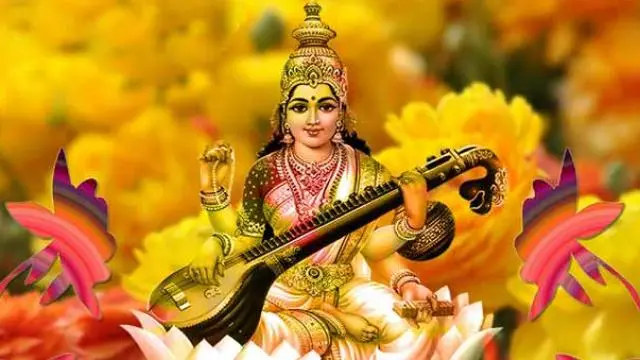
Goddess Saraswati and Her Symbolism
Goddess Saraswati represents pure knowledge and divine intelligence. She is traditionally depicted holding a veena, a book, a rosary, and seated on a white lotus. Each symbol carries deep meaning: creativity and harmony, learning and wisdom, spiritual discipline, and purity of thought.
Worshipping Goddess Saraswati on Basant Panchami is believed to remove ignorance, confusion, speech-related problems, creative blocks, and fear related to education or expression.
Basant Panchami and Astrology Connection
From an astrological perspective, Basant Panchami strongly activates Mercury, the planet associated with intellect, communication, learning, business, and analytical abilities. The Sun’s increasing strength during this period enhances confidence, clarity, and leadership qualities.
This makes Basant Panchami especially beneficial for students, teachers, writers, artists, speakers, entrepreneurs, and working professionals. It is considered an auspicious day to start education, learning-related ventures, creative projects, or intellectual commitments.
Saraswati Puja Vidhi at Home
Saraswati Puja can be performed at home in a simple yet meaningful way. Wake up early, clean the space, and wear yellow or white clothes. Place an image or idol of Goddess Saraswati on a clean platform. Offer yellow flowers, fruits, sweets, turmeric, and incense. Keep books, notebooks, musical instruments, or creative tools near the deity.
Chant the Saraswati mantra 108 times and pray for wisdom, clarity, and success. Traditionally, people avoid reading or writing after the puja for the rest of the day as a sign of reverence.
Mantra: Om Aim Saraswatyai Namah
Basant Panchami Remedies for Wisdom, Career and Success
On Basant Panchami, simple remedies are believed to bring powerful results:
- Students can write the Saraswati mantra using a yellow pen and keep it in their study area.
- Working professionals can offer yellow flowers to Goddess Saraswati and pray for clarity in decision-making.
- Creative individuals can meditate or play soft instrumental music before beginning work.
- Meditating on the color yellow for a few minutes helps calm the mind and sharpen focus.
Basant Panchami in Modern Life
In today’s fast-paced world, Basant Panchami serves as a reminder to reconnect with learning, creativity, and mental balance. It is a perfect day to set educational goals, start online courses, revisit forgotten talents, or simply reflect and plan.
Even those who do not follow rituals can use this day consciously by reading, journaling, or learning something new. The energy of Basant Panchami supports growth, clarity, and fresh ideas.
Basant Panchami is not just a seasonal festival but a powerful spiritual gateway to wisdom and clarity. By aligning with the blessings of Goddess Saraswati and the renewal energy of spring, one can invite intelligence, creativity, and confidence into life.
Frequently Asked Questions
Is Basant Panchami an auspicious day?
Yes, Basant Panchami is considered highly auspicious for education, learning, spiritual practices, and new beginnings.
Can working professionals perform Saraswati Puja?
Yes, Goddess Saraswati governs intelligence and decision-making, which benefits all professions.
Is fasting mandatory on Basant Panchami?
Fasting is optional. Devotion and intention are more important than strict rituals.
Why is yellow important on Basant Panchami?
Yellow represents knowledge, positivity, prosperity, and intellectual growth.
About the Author