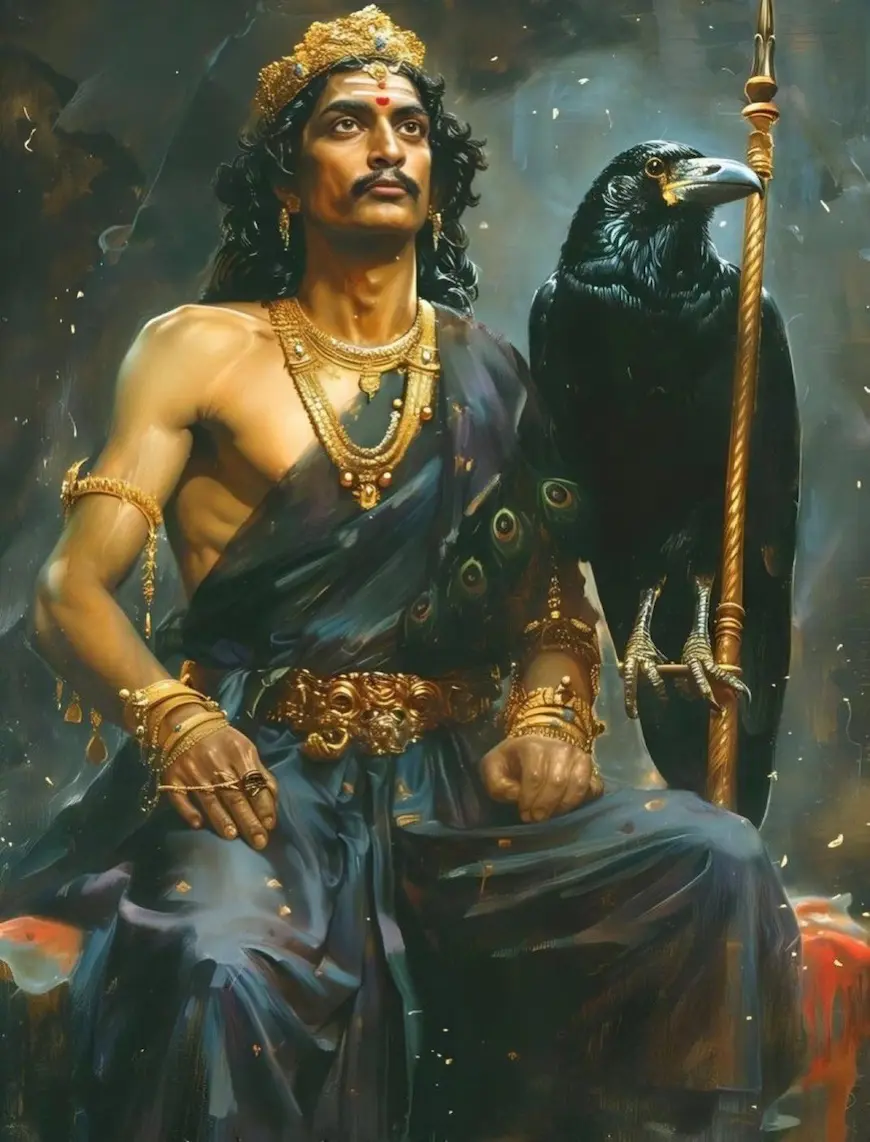
Shani Dev embodies the principles of karma, justice, and accountability, reflecting the intricate balance of life’s experiences
 Join WhatsApp
 Join Facebook
 Follow on Instagram
Unveiling the Mysteries Behind Shani Dev, the Lord of Karma
Unveiling the Mysteries Behind Shani Dev, the Lord of Karma
Shani Dev, revered as the Lord of Karma, embodies justice, discipline, and the inevitability of actions and consequences. Explore his origins, iconography, and rituals performed to appease him.
Shani Dev, revered in Hindu Dharma as the Lord of Karma, holds a significant place within the pantheon of deities. Often depicted with a dark complexion, riding a crow, and holding a sword, he is considered both feared and respected in the realm of astrology and spirituality. His influence spans the cosmic order and human fate, emphasizing the inevitability of karma, actions and their consequences. In this article, we will explore the intricate details surrounding Shani Dev, his mythological origins, his role as the Lord of Karma, his iconography, and the rituals performed to appease him.
| Category: | Spirituality |
| Topic: | Shani Dev, Karma, Iconography, Rituals |
| Reading time: | ~3 minutes |
The Significance of Shani Dev in Hindu Dharma
Origins and Birth of Shani Dev
ShaniDev is the son of Surya (the Sun God) and Chhaya (shadow), which imbues him with a dual nature both bright and dark. His birth story is steeped in symbolism, as he represents the shadows cast by our actions, illustrating how one’s deeds shape their destiny. According to various texts, Shani was born after Surya’s first wife, Sangya, could no longer bear his brilliance. The contrasting attributes of Shani, embodying both punishment and justice, highlight the balance of nature.
Shani Dev is also known to be the brother of Yama, the God of Death, and his relationship with Yama emphasizes the theme of life’s inevitable end and the karmic cycle of birth and rebirth. His mythological significance goes beyond mere storytelling; it serves as a moral compass, guiding individuals to be mindful of their actions and their repercussions.
Shani Dev’s Role in the Cosmic Order
In the Hindu cosmology, Shani Dev is associated with the planet Saturn, which governs time, discipline, and structure. He is regarded as an impartial figure who administers justice, often reflecting the consequences of one’s past actions. This impartiality brings forth the essence of karma, where every individual is accountable for their deeds. Shani’s role as a cosmic judge is both revered and feared; he embodies the principle that one reaps what one sows.
The cosmic order governed by Shani highlights the belief that life is a series of choices, each leading to specific outcomes. His influence teaches that while one cannot escape their past actions, they can make amends through righteous living. This belief fosters a sense of responsibility among individuals, encouraging them to act ethically and justly.
Shani Dev: The Lord of Karma
Understanding Karma in Hindu Philosophy
Karma is a central concept in Hindu philosophy, signifying the law of cause and effect. Every action, whether good or bad, creates a ripple effect that influences one’s future circumstances. This principle underscores the moral fabric of society, encouraging individuals to engage in virtuous actions while avoiding harmful deeds. The belief in karma extends beyond this life, as it is thought to affect the soul’s journey through reincarnation.
Shani Dev epitomizes this philosophy by serving as a constant reminder of the karmic cycle. His influence is often invoked during times of crisis, prompting individuals to reflect on their past actions. When misfortunes occur, people often attribute them to the consequences of their karma, invoking Shani’s justice to rectify their path. This understanding of karma not only shapes personal behavior but also influences societal norms.
Shani Dev’s Influence on Individual Karma
Shani-Dev’s planetary placement in an individual’s astrological chart can significantly impact their life experiences. His transits and dasha periods are believed to bring about trials and tribulations, prompting introspection and growth. Many devotees view these challenging times as opportunities for spiritual development, emphasizing the notion that discomfort leads to enlightenment.
For instance, during Shani Dasha, individuals may face obstacles in their careers, relationships, and health. However, these challenges are often seen as necessary for purification and transformation. Shani Dev’s influence teaches resilience, urging individuals to confront their issues head-on, thereby promoting personal growth and karmic rectification.
The Iconography of Shani Dev
Symbolism in Depictions of Shani Dev
Shani Dev is often depicted in art and sculpture with a dark complexion, symbolizing the shadowy aspects of life and the hidden facets of human behavior. He is typically shown riding a crow, which symbolizes intelligence and the ability to navigate through darkness. The crow also serves as a reminder of the transient nature of life, linking Shani to themes of mortality and fate.
In his iconography, Shani is often depicted with certain attributes like a sword, representing the cutting away of ignorance and illusion. This sword symbolizes the harsh truths of karma, emphasizing that while Shani may bring challenges, he also facilitates clarity and understanding. Such artistic representations not only serve a decorative purpose but are deeply rooted in the spiritual teachings associated with Shani Dev.
The Significance of Colors and Attributes
The colors associated with Shani-Dev are predominantly black and blue, which signify both the depth of the universe and the unknown aspects of life. Black, in particular, is reflective of the unseen karmic forces that govern human existence. Devotees often wear these colors during rituals to invoke Shani’s presence and blessings, reinforcing their commitment to ethical living and understanding the consequences of their actions.
Additionally, Shani Dev is frequently depicted holding various items such as a trident and a bowl. The trident symbolizes mastery over the three gunas or qualities, sattva (goodness), rajas (passion), and tamas (ignorance). The bowl is often associated with offerings, representing the need for humility and a spirit of giving to appease Shani. These symbols collectively serve as a guide for devotees, urging them to navigate life’s complexities with wisdom and integrity.
Festivals Dedicated to Shani Dev
Shani Amavasya: Observances and Rituals
Shani Amavasya, a new moon day dedicated to Shani-Dev, holds immense significance among his devotees. On this day, it is believed that offering prayers and performing rituals can mitigate the adverse effects of Shani’s influence in one’s life. Rituals often include fasting, lighting oil lamps, and offering black sesame seeds and mustard oil, which are considered sacred offerings to Shani.
Many devotees gather at temples dedicated to Shani-Dev, where they participate in collective prayers and rituals. The atmosphere is charged with devotion, as individuals seek forgiveness for their past actions and pray for guidance. Shani Amavasya acts not only as a day of penance but also as an opportunity for communal bonding, wherein believers unite in their quest for spiritual elevation.
Other Celebrations and Their Cultural Importance
In addition to Shani Amavasya, various other festivals celebrate Shani-Dev, including Tila Sankramana and Shani Jayanti. Tila Sankramana, for instance, marks the transition of the Sun into Capricorn, which is significantly associated with Shani. Observances during this period involve charitable acts, particularly donations of black sesame seeds, which are believed to bring prosperity and alleviate suffering.
Shani Jayanti, commemorating Shani Dev’s birth, is celebrated with fervor in many regions. Devotees often recite the Shani Stotra and engage in community service as acts of devotion. These festivals not only reinforce individual spirituality but also promote community cohesion, as people come together to honor Shani Dev’s teachings.
Shani Dev’s Planetary Influence
The Astrological Significance of Saturn
In astrology, Saturn is often viewed as a teacher of hard lessons, embodying the concept of delayed gratification. Saturn’s transits through the zodiac signs can significantly impact individuals, bringing about transformative changes that align with the lessons of discipline and responsibility. Astrologers often stress the importance of understanding Saturn’s position in one’s birth chart to navigate its influence effectively.
The astrological significance of Saturn extends beyond the individual, affecting collective societal dynamics as well. Periods marked by Saturn’s influence often correlate with economic downturns or societal challenges that prompt collective introspection regarding values and ethics. Thus, understanding Shani Dev’s role as the personification of Saturn can aid individuals in preparing for the inevitable cycles of growth and adversity in life.
Effects of Shani Dasha on Individuals
Shani Dasha, a period in a person’s life where Shani’s influence is predominant, often lasts for several years and can be both challenging and transformative. Individuals experiencing Shani Dasha may face personal trials that force them to confront their actions and decisions. This period is considered crucial for personal development, often leading to significant changes in career, relationships, and spiritual outlook.
While many fear the repercussions associated with Shani Dasha, it is essential to recognize the potential for growth. This period can lead to profound insights, encouraging individuals to shed negative patterns and behaviors. Those who embrace the lessons of Shani often emerge from this phase with renewed strength, clarity, and a deeper understanding of their life’s purpose.
Propitiating Shani Dev
Rituals and Offerings for Shani Dev
To appease Shani Dev and mitigate his challenges, devotees often engage in specific rituals and offerings. Common practices include visiting Shani temples, where devotees offer oil, black sesame, and other items that are considered auspicious. Lighting oil lamps on Saturdays, particularly during Shani Amavasya, is also a widespread practice aimed at inviting Shani’s blessings and dispelling negativity.
In addition to temple visits, personal rituals can enhance one’s connection with Shani Dev. Reciting the Shani Stotra or engaging in meditation focused on healing and forgiveness can help individuals align themselves with Shani’s teachings. Such practices not only elevate one’s spiritual state but also foster a sense of accountability for one’s actions.
The Role of Mantras and Prayers
Mantras and prayers dedicated to Shani Dev play a vital role in propitiation. The “Shani Gayatri Mantra” is particularly revered, often recited to invoke Shani’s grace and seek protection from adverse effects. Chanting this mantra, especially on Saturdays, is believed to accelerate one’s spiritual growth and attract positive karma.
Incorporating prayers into daily life reinforces the importance of mindfulness, allowing individuals to reflect on their actions and their impact on others. Devotees who engage in regular prayers aligned with Shani Dev often report a sense of stability and resilience, attributed to the continuous connection with the Lord of Karma.
Conclusion
Shani Dev embodies the principles of karma, justice, and accountability, reflecting the intricate balance of life’s experiences. His influence permeates various aspects of Hindu spirituality, from rituals and festivals to astrological interpretations. Understanding Shani Dev invites individuals to embrace their actions, recognizing that they ultimately shape their destinies. By exploring and honoring this multifaceted deity, devotees can cultivate a deeper awareness of their choices and their repercussions.
Who is Shani Dev in Hindu Dharma?
Shani Dev is the deity of karma, discipline, and justice, associated with the planet Saturn. He is the son of Surya (Sun God) and Chhaya (Shadow Goddess), and is revered for delivering the results of one’s actions with impartiality.
Why is Shani Dev called the Lord of Karma?
Shani Dev governs the law of cause and effect. He ensures that every individual faces the consequences of their deeds good or bad making him the ultimate judge of karmic balance.
Is Shani Dev always considered a malefic deity?
Not necessarily. While Shani is feared for bringing hardship, he is also respected for rewarding righteousness, perseverance, and humility. His influence is transformative, not destructive.
What lessons does Shani Dev teach?
Shani Dev teaches patience, discipline, detachment, and responsibility. His trials are meant to refine character and promote spiritual growth, not merely punish.
What is “Sade Sati” and why is it significant?
“Sade Sati” is a 7.5-year period when Saturn transits the 12th, 1st, and 2nd houses from one’s natal Moon. It’s known for intense challenges, but also deep personal transformation.
How can one appease Shani Dev?
Devotees worship Shani Dev on Saturdays by:
- Lighting mustard oil lamps
- Offering black sesame seeds
- Chanting mantras like “Om Sham Shanaishcharaya Namah”
- Practicing charity and righteous conduct
Why is Shani Dev depicted riding a crow?
The crow symbolizes keen observation and karmic surveillance. It represents Shani’s ability to see through deception and deliver justice without bias.
What is “Shani Dosh” in astrology?
“Shani Dosh” refers to unfavorable Saturn placements in one’s birth chart, often linked to delays, obstacles, and hardships. Remedies include spiritual practices and ethical living.
Which deities can mitigate Shani’s harsh effects?
Lord Hanuman and Lord Shiva are believed to pacify Shani’s influence. Devotees often chant the Hanuman Chalisa or the Mahamrityunjaya Mantra for relief.
What is Shani Dev’s role in spiritual evolution?
Shani Dev acts as a cosmic teacher, guiding souls through trials that foster self-awareness, humility, and liberation. His influence is essential for karmic cleansing and inner strength.
Further Reading and Resources
For those interested in delving deeper into the teachings and significance of Shani Dev, various texts such as the Puranas, particularly the Vishnu Purana and the Shiva Purana, provide extensive insights. Additionally, astrological resources and manuals can help individuals understand Saturn’s influence in their own lives. Engaging with the community through local temples and spiritual gatherings can further enhance one’s understanding and connection to Shani Dev.
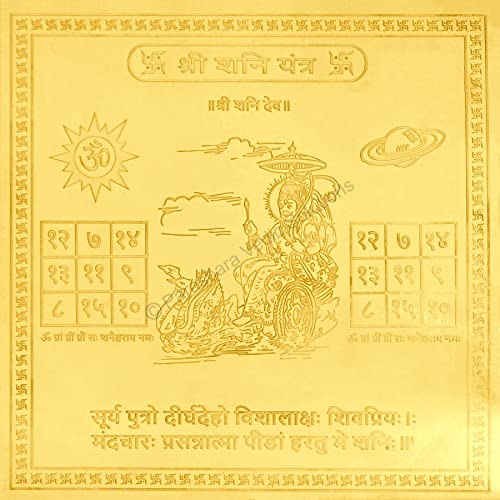
- Correct Geometry and Diagrams based on extensive research
- Color: Gold, Size: 4 x 4 inches
- Material: Thick Copper Sheet with Gold Plating

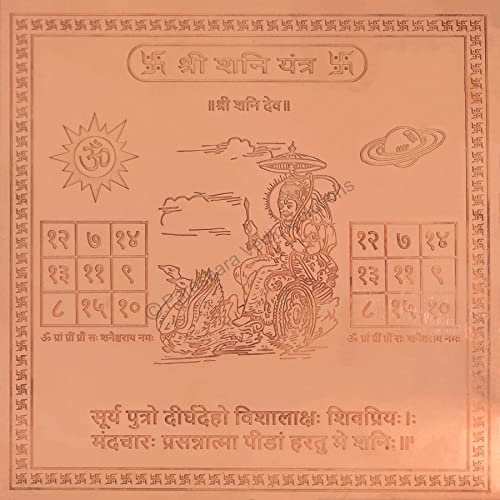
- Correct Geometry and Diagrams based on extensive research
- Color: Brown, Size: 4 x 4 inches
- Material: Thick Copper Sheet

- Panchmukhi Hanuman Yantra is believed to brings blessings with luck, courage, power, and success to its worshipper.
- Hanuman Yantra should be installed and worshipped for getting Success, Courage, Intelligence, Power, Authority, and Crea…
- This Yantra is also helpful in removing Negative Energy of any place and at the same time, it also protects from any kin…
About the Author


1 thought on “Unveiling the Mysteries Behind Shani Dev, the Lord of Karma”