Navratri Fasting Food List: What to Eat, What to Avoid and Vrat-Friendly Recipes
During Navratri, devotees observe fasting by following strict food restrictions. Knowing what to eat and what to avoid is essential for a pure vegetarian fasting diet. This blog shares a complete Navratri fasting food list, explains restrictions, and includes healthy vrat-friendly recipes.
When Navratri begins, many devotees wonder the same thing: What foods are allowed during Navratri fasting, and which ones are restricted? Since fasting is both spiritual and dietary, following the right Navratri food restrictions is crucial for honouring Goddess Durga with purity.
Navratri is not just about skipping meals; it is about eating sattvic (pure) food that supports the body and mind. That’s why devotees follow a vegetarian fasting diet, avoiding tamasic and processed foods.
This blog gives you a complete Navratri fasting food list, details on what to eat and avoid, and easy vrat-friendly vegetarian recipes to help you stay energized and spiritual throughout the nine days.
Navratri Food Restrictions: What Not to Eat
During Navratri fasting, devotees strictly avoid certain foods. These foods are considered impure or unsuitable for spiritual practice.
Non-Vegetarian Food
All forms of meat, fish, alcohol, and eggs are completely restricted. Navratri fasting emphasizes purity and compassion, which is why a vegetarian fasting diet is followed.
Onion and Garlic
Onion and garlic are considered tamasic (causing lethargy) and rajasic (stimulating unnecessary desires). They are avoided to maintain a calm and devotional state of mind.
Regular Salt
Table salt is not consumed during Navratri. Instead, sendha namak (rock salt) is used in all recipes as it is considered pure and sattvic.
Regular Grains and Pulses
Wheat, rice, lentils, chickpeas, and regular flours are not allowed. Instead, fasting-friendly flours such as kuttu ka atta (buckwheat flour) and singhare ka atta (water chestnut flour) are used. Samak rice is allowed for the fast; avoid normal white or brown rice.
Alcohol and Processed Food
Alcohol, packaged snacks, and processed food items are strictly avoided as they break the sanctity of the fast.
Navratri Fasting Food List: What You Can Eat
Here is a list of ingredients that devotees can eat during Navratri fasting:
Flours: Kuttu ka atta, Singhare ka atta, Rajgira atta (amaranth flour), Sabudana (tapioca pearls).
Vegetables: Potato, Sweet potato, Arbi (colocasia), Pumpkin, Bottle gourd, Cucumber, Raw banana, Green chillies, Lemon, Ginger.
Fruits: All seasonal fruits are allowed, including Apples, Bananas, Papayas, Pomegranates, and Grapes.
Dairy: Milk, Curd, Paneer, Ghee.
Nuts & Seeds: Almonds, Cashews, Walnuts, Raisins, and Fox nuts (Makhana).
Sweeteners: Jaggery, Honey, Sugar.
Spices: Black pepper, Green cardamom, Cumin, Clove, Khuskhus (Poppy seeds), Cinnamon.
Salt: Only Sendha Namak (rock salt).
Why Vegetarian Fasting is Important in Navratri
Navratri is a time of cleansing, not only through prayers and rituals but also through mindful eating. Following a Navratri vegetarian fasting diet helps devotees maintain sattvic energy, which is pure, calming, and spiritually uplifting.
Unlike regular meals, Navratri fasting food avoids tamasic ingredients such as onion, garlic, and non-vegetarian dishes, which are believed to disturb inner balance.
A vegetarian fasting diet during Navratri also supports the body in adjusting to seasonal changes. Since Navratri falls at the transition between seasons, eating light, simple, and pure food strengthens immunity and improves digestion.
Spiritually, vegetarian fasting symbolizes discipline and devotion, keeping the body pure and the mind focused on Goddess Durga.
Navratri Vrat Recipes
Cooking during Navratri may feel restrictive at first, but the use of fasting-friendly ingredients ensures that meals are nourishing and delicious. These Navratri vrat recipes are prepared without onion and garlic, staying true to the essence of sattvic cooking.
From wholesome snacks to hearty meals and festive sweets, these recipes bring variety to fasting while keeping the vrat diet simple:
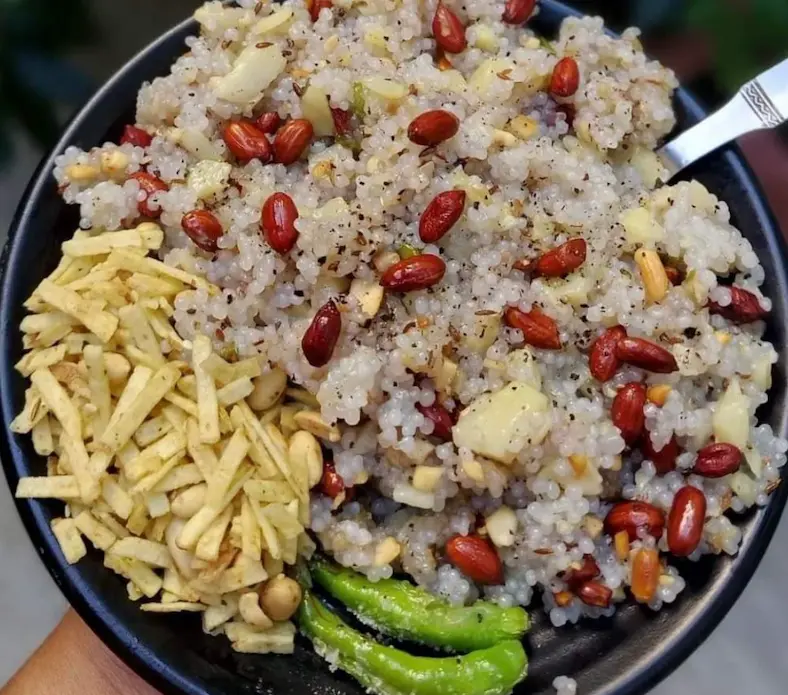
Sabudana Khichdi – A light dish made with tapioca pearls, potatoes, and peanuts.
Kuttu ki Puri – Crispy puris made with buckwheat flour and served with aloo sabzi.
Makhana Kheer – A creamy, vrat-approved dessert made with fox nuts and milk.
Aloo Sabzi – A simple potato curry cooked with rock salt and spices.
These Navratri vegetarian recipes without onion and garlic ensure fasting food remains both tasty and fulfilling, giving devotees the energy needed during nine days of prayer and devotion.
Health Benefits of Observing Navratri Fasting Food Rules
Beyond spirituality, following the Navratri fasting food rules has several health benefits. By avoiding heavy grains, processed food, and non-vegetarian dishes, the body goes through a natural detox.
Choosing fruits, nuts, dairy, and fasting flours instead provides the right balance of energy, protein, and minerals.
Key Benefits of Navratri Fasting
Improved digestion due to light and simple sattvic meals.
Natural detoxification of the body.
Enhanced immunity during seasonal change.
Balanced energy levels from nuts, milk, and fruits.
Increased mindfulness and discipline through vegetarian fasting.
In this way, vegetarian fasting during Navratri is not just a ritual but a holistic lifestyle practice that benefits both body and soul.
Key Takeaway
Navratri is not about deprivation; it is about mindful eating, purification, and devotion. By following Navratri vegetarian fasting food rules and trying easy Navratri vrat recipes, you can make your nine days both spiritually uplifting and health-friendly.
Recipe for Sabudana Khichdi
By Manjushaa Sinha
Description: Sabudana Khichdi is a light and vrat-friendly Navratri fasting recipe made with soaked tapioca pearls, potatoes, and peanuts. A perfect dish for energy during fasts.
Cuisine: Indian
Category: Fasting Meal
Prep Time: 5 hours
Cook Time: 15 minutes
Total Time: 5 hours 15 minutes
Yield: 2 servings
Calories: 320
Ingredients
1 cup sabudana (soaked for 4–5 hours)
2 medium potatoes (boiled and diced)
2 green chilies (chopped)
1 tsp cumin seeds
1/2 cup roasted peanuts (coarsely ground)
2 tbsp ghee
Sendha namak to taste
Fresh coriander leaves
Instructions
Heat ghee in a pan, add cumin seeds and green chilies.
Add boiled potatoes and sauté for 2 minutes.
Mix in soaked sabudana and roasted crushed peanuts, stir well.
Cook on low flame for 5–7 minutes until pearls turn transparent.
Garnish with fresh coriander and serve hot.
Recipe for Kuttu ki Puri
By Manjushaa Sinha
Description: Kuttu ki Puri is a crispy and delicious Navratri special puri made with buckwheat flour and boiled potatoes, perfect with aloo sabzi or curd.
Cuisine: Indian
Category: Bread
Prep Time: 15 minutes
Cook Time: 20 minutes
Total Time: 35 minutes
Yield: 6 puris
Calories: 150 calories per puri
Ingredients
1 cup kuttu ka atta (buckwheat flour)
2 boiled potatoes (mashed)
1 tsp cumin powder
Sendha namak to taste
Ghee for frying
Instructions
Mix buckwheat flour, mashed potatoes, cumin powder, and rock salt to form dough.
Roll into small puris on a greased surface.
Heat ghee in a pan and deep fry until golden brown.
Serve hot with aloo sabzi or curd.
Recipe for Makhana Kheer
By Manjushaa Sinha
Description: Makhana Kheer is a creamy and nutritious vrat dessert made with fox nuts, milk, sugar, and dry fruits, ideal for Navratri fasting.
Cuisine: Indian
Category: Dessert
Prep Time: 10 minutes
Cook Time: 25 minutes
Total Time: 35 minutes
Yield: 4 servings
Calories: 280 calories per serving
Ingredients
1 litre full cream milk
1 cup makhana (fox nuts, roasted and crushed)
4 tbsp sugar
2 tbsp chopped dry fruits
1 tsp cardamom powder
Instructions
Boil milk until reduced to 3/4th of original quantity.
Add roasted makhana and simmer for 10 minutes.
Mix in sugar, cardamom powder, and chopped dry fruits.
Serve warm or chilled as a Navratri dessert.
Conclusion
Navratri fasting is a spiritual discipline that also nourishes the body. By following the Navratri fasting food list, you can maintain devotion and health together.
Remember, what you eat and avoid during Navratri fasting determines the sanctity of your vrat. From sabudana khichdi to makhana kheer, vrat-friendly recipes make your fast flavorful while respecting the traditions of Navratri.
FAQs: Navratri Fasting Food List – What to Eat, Avoid and Vrat-Friendly Recipes
1. What is the purpose of Navratri fasting?
Navratri fasting is a spiritual practice aimed at cleansing the body and mind. It promotes discipline, devotion, and sattvic living during the nine days of worship.
2. Which flours are allowed during Navratri fasting?
Fasting-friendly flours include kuttu ka atta (buckwheat flour), singhare ka atta (water chestnut flour), rajgira atta (amaranth flour), and sabudana (tapioca pearls).
3. Can I eat regular salt during Navratri?
No, regular table salt is avoided. Only sendha namak (rock salt) is used as it is considered pure and sattvic.
4. Are onion and garlic allowed in Navratri vrat recipes?
No, onion and garlic are considered tamasic and rajasic and are avoided to maintain spiritual purity and mental calmness.
5. What vegetables can be consumed during Navratri?
Allowed vegetables include potato, sweet potato, arbi, pumpkin, bottle gourd, cucumber, raw banana, green chillies, lemon, and ginger.
6. Can dairy products be consumed during Navratri fasting?
Yes, dairy items like milk, curd, paneer, and ghee are permitted and commonly used in vrat recipes.
7. What are some popular Navratri vrat recipes?
Popular recipes include sabudana khichdi, kuttu ki puri, makhana kheer, and aloo sabzi—all made without onion and garlic.
8. Is fruit consumption allowed during Navratri fasting?
Yes, all seasonal fruits such as apples, bananas, papayas, pomegranates, and grapes are allowed and encouraged.
9. Can I drink tea or coffee during Navratri?
Yes, tea and coffee are generally allowed, but it’s best to avoid excessive caffeine and stick to simple, natural beverages.
10. What are the health benefits of Navratri fasting?
Navratri fasting supports digestion, detoxification, immunity, and mental clarity. It’s a holistic practice that benefits both body and soul.
Manjushaa Sinha is a certified Tarot reader and astrologer with 10+ years in business leadership. She helps people find clarity and confidence through intuitive readings. Her approach blends practical insight with spiritual guidance to support personal growth, healing, and well-being. She believes in empowering others to trust their inner wisdom. Manjushaa loves connecting spiritual insight with everyday life. She helps people see their path more clearly and supports positive change.






2 thoughts on “Navratri Fasting Food List: What to Eat, What to Avoid and Vrat-Friendly Recipes”