
Introduction
Onam 2025 The 10 Day Festival of Kerala – Onam is one of the most vibrant and celebrated festivals in India, especially in Kerala. It is observed as a ten-day festival filled with rituals, cultural performances, feasting, and devotion. Onam falls in the Malayalam month of Chingam, typically corresponding to August or September in the Gregorian calendar. In 2025, Onam spans from August 26 (Atham) to September 5 (Thiruvonam).
What makes Onam unique is that it is both a harvest festival and a cultural celebration deeply rooted in mythology. It symbolizes prosperity, unity, and the spirit of Kerala. The keyword Onam festival is associated with grandeur, from floral decorations to boat races and the grand feast called Onam Sadhya.
This blog will explain why Onam is celebrated, the story from the Puranas, the rituals of each day, dos and don’ts, traditional food, and how different regions observe this magnificent festival.
Why Is Onam Celebrated?
The festival of Onam is linked to the legend of King Mahabali, a noble and just ruler of Kerala. According to the Puranas, Mahabali was an asura king deeply loved by his people. Under his rule there was prosperity, equality, and happiness.
The Devas, feeling threatened, prayed to Lord Vishnu for help. Vishnu took the Vamana avatar, a dwarf Brahmin and approached Mahabali asking for three paces of land. Mahabali agreed. Vamana then grew to cosmic proportions, covering the heavens and earth in his first two steps.
With no space left, Mahabali offered his head for the third. Vishnu granted his humility a boon, Mahabali may visit his kingdom once a year. Onam festival is celebrated to welcome King Mahabali back to his kingdom. Thus, Onam is both a harvest festival and a tribute to an ideal king.
Onam 2025: Start Date and End Date
In 2025, Onam begins on August 26, when Atham nakshatra marks Day 1, and culminates on September 5, the auspicious day of Thiruvonam. These are the exact dates to include in your blog for clarity and accuracy.

Importance of Each Day of the 10 Day Festival
Day 1: Atham (August 26)
On this day, King Mahabali is believed to begin his journey back to Kerala. Families start crafting the first floral carpet, Athapookalam, often centered with yellow flowers.
Day 2: Chithira
Homes are scrubbed clean and decorated. The Pookalam grows as more flower layers are added.
Day 3: Chodhi
More vibrant layers are added to the Pookalam. Families buy new clothes (Onakkodi) and prepare for upcoming rituals.
Day 4: Vishakam
Considered auspicious for trade and harvest activities, markets are bustling. Community gatherings and early cultural events begin.
Day 5: Anizham
Marks the famous Vallamkali or snake boat race, a highlight of Onam festival watched by many.
Day 6: Thriketa
Family members traveling for work return home to join the celebrations. Homes are fully adorned in anticipation.
Day 7: Moolam
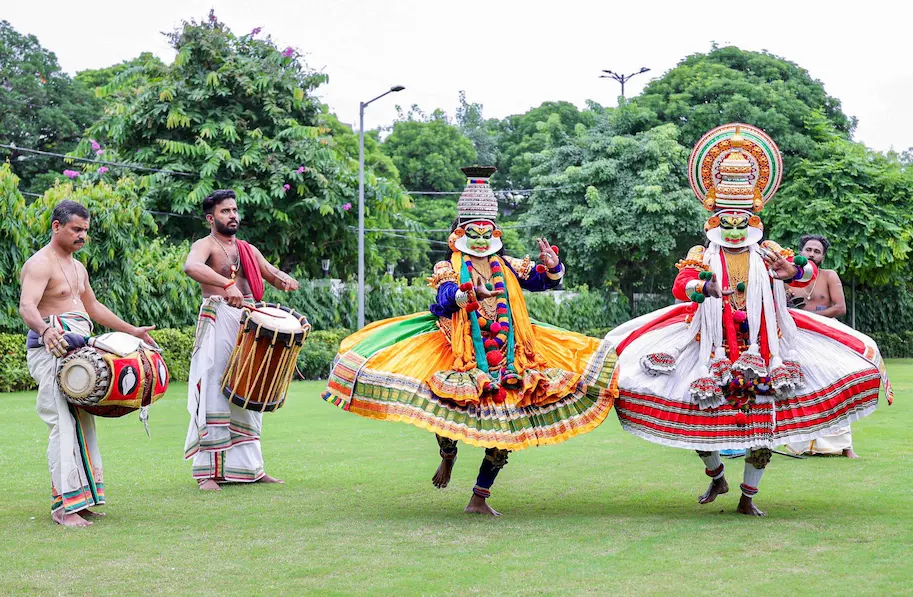
Onam Sadhya preparations begin in earnest. Traditional performances like Kathakali and Pulikali take shape.
Day 8: Pooradam
Small clay idols of Onathappan or Trikkakara Appan symbolizing Vamana and Mahabali are placed at the heart of the Pookalam, marking the start of ritual prayers.
Day 9: Uthradam
Known as the first Onam, families finalize shopping and cooking preparations. It is believed King Mahabali arrives on this day.
Day 10: Thiruvonam (September 5)
The crowning day of Onam. People wake early, bathe, dress in new clothes, and organize the grand feast. Pookalam is complete; cultural shows, temple rituals, and family gatherings mark this joyful day.
Rituals of Onam
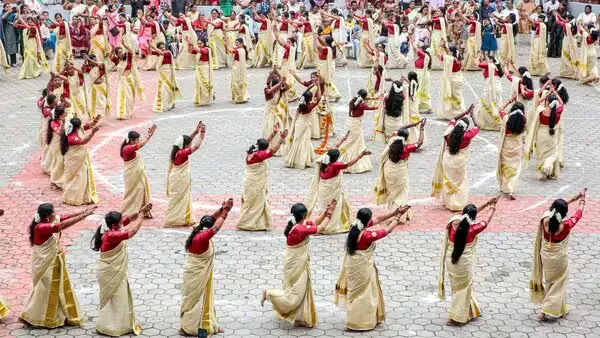
Rituals include creating Pookalams i.e. floral carpets at home entrances, symbolizing prosperity and joy. Onakkodi (new clothes) are worn and shared among loved ones. The Onam Sadhya, a grand vegetarian banquet served on banana leaves, is central to the celebrations. Temples conduct special pujas; Vallamkali (snake boat races) exemplify teamwork and grace. Traditional dances such as Kathakali, Thiruvathirakali, and Pulikali add vibrancy. Homes glow with decorations, and offerings are made to Mahabali and Lord Vishnu.
Dos and Don’ts of Onam
Dos: Clean homes, arrange fresh floral decorations, prepare Sadhya with devotion, partake in cultural rituals, and offer heartfelt welcome to guests. Embrace unity, generosity, and gratitude.
Don’ts: Avoid negative feelings like anger or envy; do not waste food; don’t mock rituals. Refrain from intoxication or harmful indulgences. Onam promotes purity and communal joy.
Story Behind Onam
Rooted in the Bhagavata Purana, the tale begins with Mahabali’s just reign. Devas, worried by his power, sought assistance. Vishnu incarnated as Vamana, asked Mahabali for three steps of land, then measured earth and heaven in two steps, placing the third on Mahabali’s head. Moved by his humility, Vishnu allowed him a yearly return, celebrated as Onam. The festival celebrates devotion, humility, and a righteous ruler.
States That Celebrate Onam
Onam is primarily celebrated in Kerala, though Malayali communities in Tamil Nadu, Karnataka, Andhra Pradesh, Telangana etc observe it. In Kerala, each region adds unique flavor, from Thrissur’s Pulikali to Alleppey’s snake boat races. Onam symbolizes cultural pride and unity beyond regional lines.
Food Prepared During Onam
The centerpiece is the vegetarian Onam Sadhya, served on banana leaves. Dishes include rice, sambar, parippu, rasam, avial, thoran, olan, pulissery, pachadi, kaalan, kootu curry, papadam, banana chips, pickles, and a range of payasams such as Ada Pradhaman and Palada Payasam. Each dish follows a particular sequence on the banana leaf symbolizing abundance and gratitude.
Traditional Dishes of Onam
Sadhya balances sweet, sour, spicy, and tangy tastes. Avial is a mixed vegetable curry with coconut and yogurt. Thoran is a stir-fry of vegetables with grated coconut. Olan blends ash gourd and cowpeas in coconut milk. Kootu curry includes yam and plantains. Pachadi and Kichadi are yogurt-based sides. Pulissery is a spiced buttermilk dish. Payasams, made from jaggery, milk, rice, or lentils, conclude the feast. Each dish reflects Kerala’s culinary heritage.
Traditional Attire on Onam
Women’s Traditional Attire
- Kasavu Saree:
The most iconic Onam outfit for women is the Kerala Kasavu saree – a cream or off-white cotton or silk saree with a golden zari border. It symbolizes purity and prosperity. - Half Sarees & Lehengas:
Younger women and girls often wear half sarees or lehenga-style outfits in festive shades like gold, red, and green, paired with embroidered blouses and dupattas. - Accessories:
Women adorn themselves with gold jewelry, jhumkas, temple necklaces, and fresh jasmine flowers in their hair for a complete festive look.
Men’s Traditional Attire
- Mundu or Veshti:
Men wear a white or cream cotton mundu (a dhoti-like garment) with a gold border (kasavu), often paired with a white shirt or kurta. - Kurta-Dhoti or Kurta-Pyjama:
For a slightly modern twist, men opt for kurta-dhoti sets or kurta-pyjama combinations in light fabrics like cotton or silk, sometimes accessorized with a Nehru jacket.
Conclusion
Onam is more than a festival. It embodies Kerala’s cultural identity. It weaves devotion, mythology, harvest traditions, and community joy into a ten-day spectacle. The legend of King Mahabali and Vamana teaches humility, righteousness, and devotion. From Pookalam to Sadhya, each day reflects gratitude to nature and legacy. Though rooted in Kerala, Onam resonates globally, bringing together communities in joy and tradition. In 2025, with celebrations running from August 26 to September 5, Onam reminds us of prosperity, unity, and hope for a harmonious future.
Frequently Asked Questions
Why is Onam celebrated in Kerala?
To honour King Mahabali’s return and celebrate the harvest season.
How many days is Onam celebrated?
Ten days, from Atham to Thiruvonam.
What is Onam Sadhya?
A grand vegetarian feast served on banana leaves, representing prosperity.
Is Onam only a religious festival?
No, while rooted in mythology, it’s a cultural and harvest festival celebrated by all.
When is Onam in 2025?
From August 26 (Atham) to September 5 (Thiruvonam) .
What are the key attractions of Onam?
Pookalam, Onam Sadhya, Vallamkali, Pulikali, Kathakali and other folk performances
Also read – Born in Darkness, Destined for Light: The Spiritual Symbolism of Krishna’s Birth on Ashtami