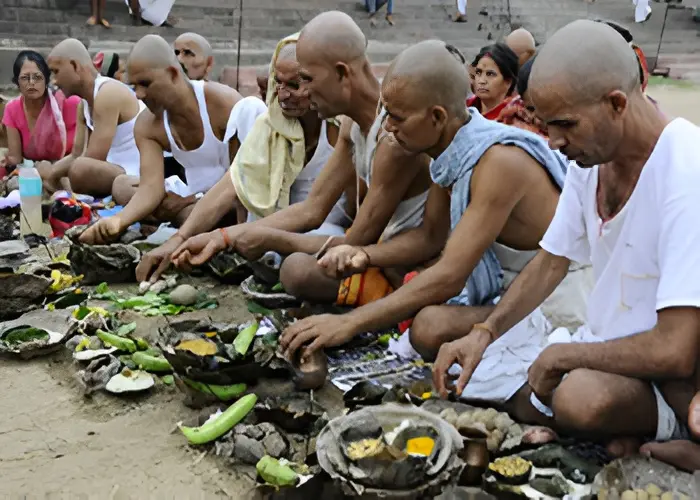
Every year during Pitru Paksha, the holy city of Gaya in Bihar becomes a spiritual magnet for families across India
Why Pitru Paksha Brings Millions to Bihar for Pind Daan – Every year during Pitru Paksha, the holy city of Gaya in Bihar becomes a spiritual magnet for families across India. From Kashmir to Kerala, pilgrims arrive with one purpose: to honour their ancestors through the sacred ritual of Pind Daan. But what makes Gaya so important? Why do people travel thousands of kilometers to perform this rite here?
Let’s explore the timeless significance of Gaya, the rituals of Pind Daan, regional traditions, and the emotional journey that connects generations through faith.
1. Why Gaya Is the Heart of Pitru Paksha
Gaya isn’t just a city, it’s a spiritual bridge between the living and the departed.
- Mythological Importance: Gaya is named after the demon Gayasura, whose body was sanctified by Lord Vishnu. The Vishnupad Temple, built over Vishnu’s footprint, is believed to be the gateway to moksha (liberation) for souls.
- Lord Rama’s Legacy: According to the Ramayana, Lord Rama came to Gaya to perform Pind Daan for his father, King Dasharatha. This act set the precedent for millions to follow.
- Sita’s Sand Offering: A lesser-known tale recounts how Sita performed Pind Daan using sand from the Falgu River when Lord Rama was away. The river, cow, Tulsi plant, and Akshayavat tree bore witness to her devotion.
- Spiritual Geography: Gaya is one of the holiest places for Shraddha rituals, alongside Varanasi and Haridwar. It’s believed that offerings made here reach ancestors directly and help them attain peace.
- The Pitru Paksha Mela: Held annually for 18 days, this sacred fair draws lakhs of pilgrims. The city echoes with Vedic chants, rituals, and prayers, creating an atmosphere of deep devotion
- Pan-Indian Pilgrimage: People from every state – Punjab, Bengal, Maharashtra, Tamil Nadu, Gujarat, and beyond come to Gaya. Each region has its own Pandaas, hereditary priests who maintain register-books recording the names and lineages of families who have visited for generations.
This tradition creates a living archive of faith, binding families to their spiritual heritage.
2. The Rituals of Pind Daan: A Sacred Duty Across Generations
Pind Daan is more than a ritual, it’s a heartfelt offering of gratitude and remembrance.
Preparation and Purification
- The person performing Pind Daan (usually the eldest son or a close male relative) must bathe, wear clean white clothes, and often shave their head. This act symbolizes humility, detachment from ego, and readiness to serve the ancestors.
- A Sankalpa (spiritual vow) is taken to perform the ritual with sincerity and devotion.
Offerings and Mantras
- Pindas – rice balls mixed with black sesame seeds, barley flour and ghee – are offered on banana leaves or near sacred spots like the Falgu River or Vishnupad Temple.
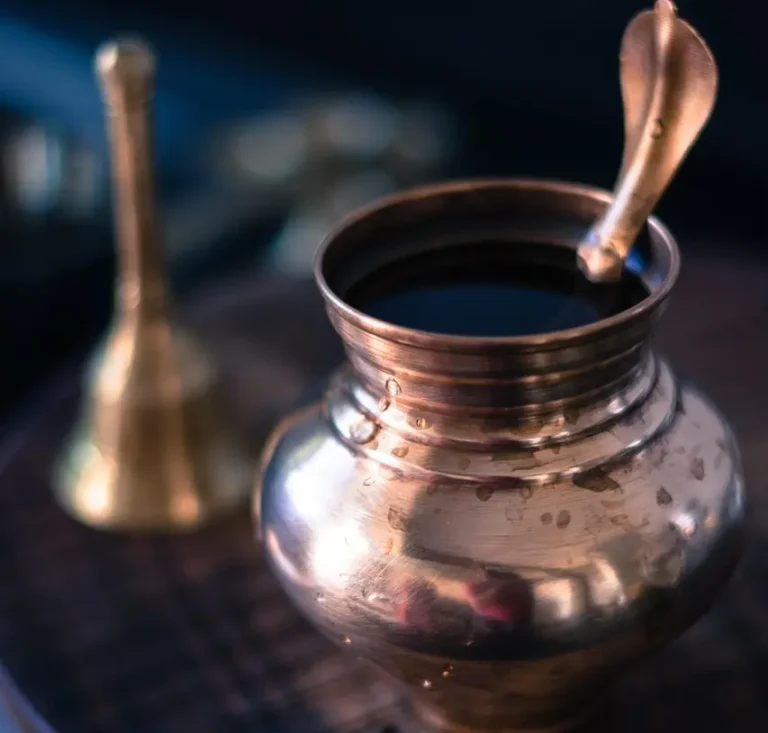
- Tarpan (water offering) is done using copper or brass vessels, mixed with sesame seeds and barley.
- At home, simplified mantras may be recited, such as:
- ॐ पितृगणाय विद्महे जगत धारिणी धीमहि तन्नो पितृ प्रचोदयात्
Or:
ॐ देवताभ्य: पितृभ्यश्च महायोगिभ्य एव च। नम: स्वाहायै स्वधायै नित्यमेव नमो नम:।
These mantras invoke peace and blessings from the ancestors.
Timing and Repetition
- Pind Daan is ideally performed on the tithi (lunar day) of the ancestor’s death.
- If the exact date is unknown, Sarva Pitru Amavasya (the last day of Pitru Paksha) is observed for all ancestors collectively.
- Some families perform Pind Daan annually, while others believe that one offering in Gaya is enough to liberate the soul.
3. The Pandaas of Gaya: Guardians of Ancestral Memory
One of the most fascinating aspects of Gaya’s spiritual tradition is the role of Pandaas – hereditary priests who guide pilgrims through the rituals.
Regional Connections
- People from every corner of India – Punjab, Maharashtra, Bengal, Tamil Nadu, Gujarat, and beyond, are connected to Pandaas from their own state or region.
- These Pandaas maintain register-books or diaries that record the names of ancestors and the entire lineage of each visiting family.
- It’s not uncommon for a Pandaa to open a book and show a pilgrim the names of their grandfather, great-grandfather, or even earlier generations who came to Gaya decades ago.
This tradition creates a living archive of faith, binding families to their spiritual heritage.
Where are the Rituals Performed in Gaya
- Vishnupad Temple: The central shrine where Lord Vishnu’s footprint is enshrined.
- Falgu River: Though often dry, its sands are considered sacred and used for offerings.
- Akshayavat Tree: A divine banyan tree believed to be eternal and spiritually potent.
- Pretshila and Ramshila Hills: Sites believed to liberate souls from ghostly existence.
4. Food, Donations, and Spiritual Discipline During Pitru Paksha
Pitru Paksha is a time of simplicity, reflection, and spiritual discipline.
Food Restrictions
- Only sattvic (pure vegetarian) food is allowed.
- Avoid onions, garlic, brinjal, karela, and spicy or oily dishes.
- Non-vegetarian food, alcohol, and tobacco are strictly prohibited.
- Meals should be fresh, no stale or leftover food is offered.
Donations and Offerings
- Donating food, clothes, and essentials to Brahmins, cows, and the needy is encouraged.
- Feeding crows is symbolic, as they are considered messengers of ancestors.
- Avoid extravagant gifts or celebrations during this period.
Spiritual Etiquette
- Refrain from cutting nails or hair during Pitru Paksha (except for ritual shaving).
- Avoid starting new ventures, buying property, or celebrating festivals.
These practices help maintain a sattvic environment, allowing the soul to connect with ancestors in peace and reverence.
5. Regional Rituals: Pind Daan Traditions Across India
While Gaya is the most revered site, many states have their own sacred locations and customs:
| State | Location | Unique Rituals |
| Uttar Pradesh | Varanasi, Mathura, Ayodhya | Pind Daan at Ganga and Yamuna ghats; offerings include honey, milk, and sesame. |
| Odisha | Puri | Performed at the confluence of Mahanadi and Bhargavi rivers near Jagannath Temple. |
| Gujarat | Dwarka, Siddhpur | Gomti River rituals; Siddhpur is known for Matru Shraddha (mother’s offering). |
| Madhya Pradesh | Ujjain (Avantika) | Shipra River rituals; performed during Ashwin month with wheat flour and honey. |
| Haryana | Kurukshetra (Sannihit Sarovar) | Confluence of seven rivers; rituals include purifying dips and mantra chanting. |
| Rajasthan | Pushkar | 52 ghats around Pushkar Lake; believed to be created by Lord Brahma’s lotus. |
| Uttarakhand | Haridwar, Badrinath | Brahma Kapal Ghat on Alaknanda River; rituals under guidance of local priests. |
Each region adds its own flavour, be it the ingredients used, the river chosen, or the legends tied to the land.
6. Common Misconceptions About Pind Daan
Despite its deep spiritual roots, many misconceptions surround Pind Daan:
- Myth: Only men can perform Pind Daan
Truth: While traditionally men perform it, many temples and priests now allow women to participate with full devotion. - Myth: It must be done only in Gaya
Truth: While Gaya is most revered, Pind Daan can be performed at other sacred sites like Varanasi, Prayagraj, Haridwar, and even at home with proper guidance. - Myth: It’s only for immediate ancestors
Truth: Pind Daan can be offered for all departed souls in the lineage, including those whose names are forgotten. - Myth: Once done, it never needs repetition
Truth: While one-time Pind Daan in Gaya is considered powerful, many families choose to repeat it annually during Pitru Paksha for continued blessings. - Myth: It’s a superstition
Truth: Pind Daan is deeply rooted in the Garuda Purana, Skanda Purana, and Agni Purana, which describe its spiritual benefits and karmic significance.
Final Thoughts: Gaya’s Eternal Bond Between Past and Present
Pitru Paksha or Pitri-Dosh Puja is not just a ritual, it’s a spiritual reunion. Whether performed in Gaya or at home, it’s a time to honor those who came before us, seek their blessings, and fulfill our ancestral duties.
Gaya’s sacred soil, the chants of Pandaas, and the quiet offerings of rice and water remind us that our roots run deep. In remembering our ancestors, we remember ourselves.
Also read – Pitru Paksha 2025: Honouring Our Ancestors Through Rituals, Stories and Traditions
FAQ – Frequently Asked Questions
What is Pitru Paksha and why is it observed?
Pitru Paksha is a 16-day period in the Hindu lunar calendar dedicated to honoring ancestors through rituals like Shraddha and Pind Daan. It is believed that offerings made during this time help departed souls attain peace and liberation.
Why is Gaya in Bihar considered the most sacred place for Pind Daan?
Gaya is believed to be the gateway to moksha for ancestors. Lord Vishnu’s footprint at Vishnupad Temple and mythological events involving Lord Rama and Sita make it the most revered site for ancestral offerings.
Who can perform Pind Daan? Is it limited to male family members?
Traditionally, the eldest son performs Pind Daan. However, women and other family members can also perform the ritual, especially if there are no male heirs, depending on local customs and priestly guidance.
Is Pind Daan performed only once or can it be repeated annually?
Pind Daan in Gaya is often considered a one-time ritual for moksha. However, many families choose to perform Shraddha or Pind Daan annually during Pitru Paksha to continue honoring their ancestors.
What is the significance of shaving the head before performing Pind Daan?
Shaving the head symbolizes renunciation, humility, and detachment from worldly vanity. It prepares the devotee spiritually for the sacred duty of serving their ancestors.
What is the role of Pandaas in Gaya during Pitru Paksha?
Pandaas are hereditary priests who guide pilgrims through the rituals. They maintain detailed register-books with ancestral records, often tracing family visits back several generations.
Can Pind Daan be performed at home instead of traveling to Gaya?
Yes, Pind Daan can be performed at home with proper guidance from a priest. While Gaya holds special significance, rituals done with devotion and correct procedure at home are also considered valid.
What mantras are recited during Pind Daan at home?
Simple mantras like:
ॐ पितृगणाय विद्महे जगत धारिणी धीमहि तन्नो पितृ प्रचोदयात्
and
ॐ देवताभ्य: पितृभ्यश्च महायोगिभ्य एव च। नम: स्वाहायै स्वधायै नित्यमेव नमो नम:। are commonly used to invoke ancestral blessings.
What types of food are prohibited during Pitru Paksha?
Non-vegetarian food, alcohol, stale food, onions, garlic, and overly spicy dishes are avoided. Only fresh, sattvic (pure vegetarian) meals are consumed and offered.
What kind of donations are encouraged during Pitru Paksha?
Donating food, clothes, and essentials to Brahmins, cows, and the needy is considered auspicious. Feeding crows is symbolic, as they are believed to carry offerings to ancestors.
What is the importance of tithi (lunar date) in performing Pind Daan?
Each tithi corresponds to a specific ancestor’s death date. Performing rituals on the correct tithi ensures the offerings reach the intended soul. If unknown, Sarva Pitru Amavasya is observed for all ancestors.
Are there regional variations in Pind Daan rituals across India?
Yes. For example, Siddhpur in Gujarat is known for Matru Shraddha, Haridwar for Brahma Kapal rituals, and Puri for offerings near Jagannath Temple. Each region has its own customs and sacred sites.
Is it necessary to fast during Pitru Paksha?
Fasting is not mandatory but many choose to observe partial or full fasts as a mark of respect and spiritual discipline. The focus is on simplicity, purity, and devotion.
Can Pind Daan be performed for ancestors whose names are forgotten?
Yes. Rituals can be performed for unknown or forgotten ancestors, especially on Sarva Pitru Amavasya, which is dedicated to all departed souls.
Is Pitru Paksha only for Hindus or can others observe it too?
Pitru Paksha is rooted in Hindu tradition, but people from other faiths or spiritual backgrounds sometimes observe similar ancestral remembrance practices in their own way.
About the Author