

Unlock Your Inner Power – Ever had a feeling deep inside that something was right or wrong but couldn’t explain why? That’s your intuition speaking. In today’s fast-paced, logic-driven world, we often ignore that quiet inner voice. But what if you could train it, strengthen it, and learn to trust it more? That’s where tarot comes in.
This blog is your guide to using tarot cards not just for fortune-telling, but as a powerful tool to build your intuitive muscle. Whether you’re a beginner or a seasoned reader, you’ll find simple exercises, journaling prompts, and card spreads that help you tune into your gut feelings and make decisions with more confidence.
What Is Intuition and Why Does It Matter?
Intuition is like your internal compass. It’s the ability to understand something immediately, without needing conscious reasoning. It’s that “I just know” feeling. While logic is important, intuition helps us navigate situations where facts are unclear or emotions are involved.
Think of intuition as a muscle. The more you use it, the stronger it gets. Tarot is one of the best tools to help you do just that.
Tarot: More Than Just Predictions
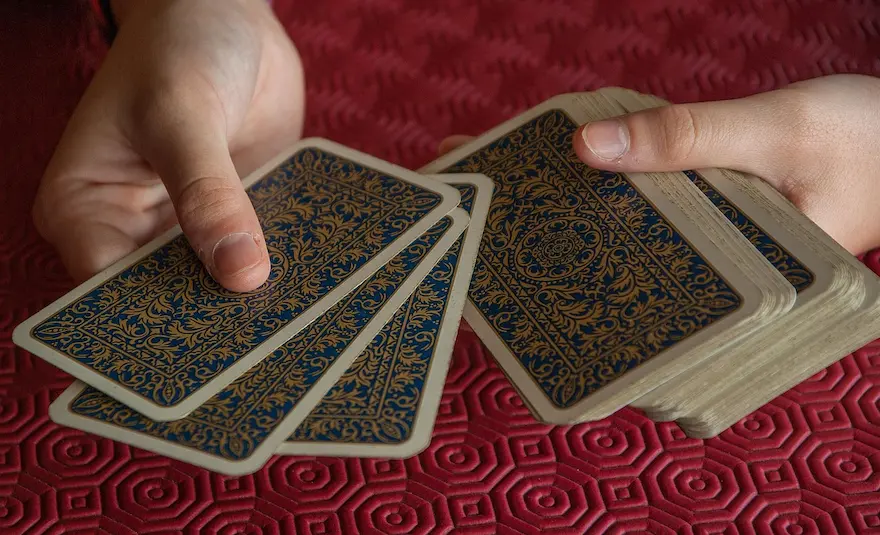
Tarot is a deck of 78 cards, each with its own symbols and meanings. People often use tarot to ask questions about love, career, or life choices. But tarot isn’t just about predicting the future—it’s about reflection, insight, and connection to your inner self.
When you read tarot intuitively, you don’t just memorize card meanings. You look at the images, feel the energy, and listen to what your gut is telling you. That’s where the magic happens.

How Tarot Builds Intuition
Here’s how tarot helps you strengthen your inner voice:
- Visual cues: The artwork on tarot cards sparks emotional and intuitive responses.
- Symbolic language: Tarot uses symbols that speak to your subconscious mind.
- Open-ended interpretation: There’s no one “right” answer—so you learn to trust your own insights.
- Practice and repetition: The more you read, the more you learn to listen to your instincts.
Getting Started: Create a Quiet Space
Before you begin, set the mood. Find a quiet place where you won’t be disturbed. Light a candle, play soft music, or simply take a few deep breaths. The goal is to calm your mind so your intuition can speak clearly.
Exercise 1: Card Meditation
Purpose: Tune into your intuitive impressions.
Steps:
- Shuffle your tarot deck and pull one card.
- Look at the card without checking its meaning.
- Ask yourself:
- What’s the first feeling I get?
- What story does this image tell me?
- What part of the card draws my attention?
- Write down your thoughts in a journal.
- After journaling, look up the card’s traditional meaning. Compare it to your impressions.
Tip: There’s no wrong answer. Your interpretation is valid—even if it’s different from the book.
Journaling Prompt 1: “What Does My Intuition Sound Like?”
Write about a time when you had a gut feeling and followed it. What happened? How did it feel? What signs did you notice? This helps you recognize your intuitive voice.
Exercise 2: Daily Draw
Purpose: Build a habit of intuitive reflection.
Steps:
- Each morning, pull one card.
- Ask: “What energy should I focus on today?”
- Write down your first thoughts.
- At night, reflect: Did the card relate to your day? What did you learn?
Bonus: Over time, you’ll notice patterns and develop a stronger connection to your cards.
Journaling Prompt 2: “What Did I Feel First?”
After each daily draw, write down your first reaction. Was it a color, a symbol, a mood? This helps you track how your intuition speaks to you.
Exercise 3: Intuitive Storytelling
Purpose: Strengthen creative and intuitive thinking.
Steps:
- Pull three cards.
- Without checking meanings, create a story using the images.
- Let your imagination flow. Don’t worry about being “right.”
- Write the story in your journal.
Example:
- Card 1: A person walking away.
- Card 2: A bright sun.
- Card 3: A cup overflowing.
Your story might be: “Someone leaves a difficult situation, finds clarity, and receives emotional healing.”
Journaling Prompt 3: “What Story Wants to Be Told?”
After your storytelling exercise, ask: What part of this story feels personal? What message is trying to reach me?
Spread 1: The Gut Check Spread
Use this when you’re unsure about a decision.
Layout:
- Card 1: What does my gut say?
- Card 2: What does my logic say?
- Card 3: What am I afraid of?
- Card 4: What will help me trust myself?
How to Read:
- Focus on your first reaction to each card.
- Notice where your intuition and logic agree or clash.
- Use Card 4 as your guide to move forward with confidence.
Spread 2: The Inner Voice Spread
Use this to connect deeply with your intuition.
Layout:
- Card 1: What is my inner voice trying to tell me?
- Card 2: What blocks me from hearing it?
- Card 3: How can I strengthen the connection?
How to Read:
- Let your feelings guide you.
- Don’t rush, sit with each card and listen.
- Journal your impressions before checking meanings.
Tips for Trusting Your Intuition
- Don’t overthink: Your first impression is often the most accurate.
- Practice regularly: Like any skill, intuition grows with use.
- Stay open: Let go of needing “right” answers.
- Use your body: Notice physical sensations, tight chest, relaxed shoulders, etc.
- Be patient: Intuition is quiet. It takes time to hear it clearly.
Growing Your Intuitive Practice
Here are some ways to deepen your journey:
- Create a tarot journal: Track your readings, feelings, and insights.
- Try blind readings: Pull cards without knowing the question.
- Use art and music: These help activate your intuitive brain.
- Join a tarot circle: Share readings and learn from others.
- Read for yourself often: You are your best teacher.
Real-Life Example: Listening to the Inner Voice
Let’s say you’re thinking about switching jobs. You pull the following cards:
- Card 1: The Fool (new beginnings)
- Card 2: Eight of Swords (feeling stuck)
- Card 3: Strength (inner courage)
Your gut might say: “I’m ready for change, but fear is holding me back. I need to trust my strength.”
You didn’t need a textbook to tell you that,you felt it.


Final Thoughts On Unlock Your Inner Power: Your Intuition Is Your Superpower
Tarot isn’t about magic, it’s about mindfulness. It helps you slow down, reflect, and hear the voice that’s always been inside you. The more you use tarot to listen to your gut, the more confident and clear you’ll become. So grab your deck, light a candle, and start your journey inward. Your inner voice is waiting and it has so much to say.
Also read – Cosmic Mirrors: Discovering Your True Self Through Vedic Astrology
FAQ: Frequently Asked Questions
What is intuition?
Intuition is your inner knowing. It’s the feeling or sense you get without needing facts or logic. It’s often described as a “gut feeling.”
Can anyone develop intuition?
Yes! Everyone has intuition. Like a muscle, it gets stronger with practice and attention.
How does tarot help build intuition?
Tarot uses symbols and images that speak to your subconscious. When you read cards without relying only on guidebooks, you learn to trust your own insights.
Do I need to memorize all the card meanings?
No. While learning meanings helps, intuitive tarot is about what the card makes you feel or think in the moment. Your first impression matters most.
What’s the best way to start reading tarot intuitively?
Begin by pulling one card a day. Look at the image, notice your feelings, and write down your thoughts before checking the meaning.
What if my interpretation is different from the book?
That’s okay! Your personal insight is valid. Tarot is flexible and meant to reflect your unique perspective.
Can I use tarot for decision-making?
Yes. Tarot can help you explore your feelings, fears, and desires around a decision. It won’t give a yes/no answer, but it will guide your thinking.
How often should I practice?
Daily practice even just 5 minutes helps build a strong connection with your cards and your inner voice.
What kind of questions should I ask the cards?
Ask open-ended questions like:
“What do I need to know today?”
“What energy is around this situation?”
“How can I move forward?”
Avoid yes/no questions if you want deeper insight.
Do I need a special tarot deck?
No. Any deck that speaks to you visually and emotionally is perfect. Choose one with artwork you connect with.
What’s the difference between logic and intuition?
Logic is based on facts and reasoning. Intuition is based on feelings and inner knowing. Both are useful but tarot helps you hear your intuition more clearly.
Can I read tarot for myself?
Absolutely. In fact, reading for yourself is one of the best ways to grow your intuitive skills.
What if I don’t feel anything when I look at a card?
That’s normal sometimes. Take a breath, relax, and let your mind wander. You might notice colors, symbols, or emotions that slowly come forward.
Is tarot connected to any religion or belief system?
Tarot is a tool. It’s not tied to any religion. People from all backgrounds use it for reflection, growth, and guidance.
How do I know if I’m improving my intuition?
You’ll start noticing:
Faster gut reactions
More confidence in your choices
Clearer insights during readings
A stronger sense of inner peace