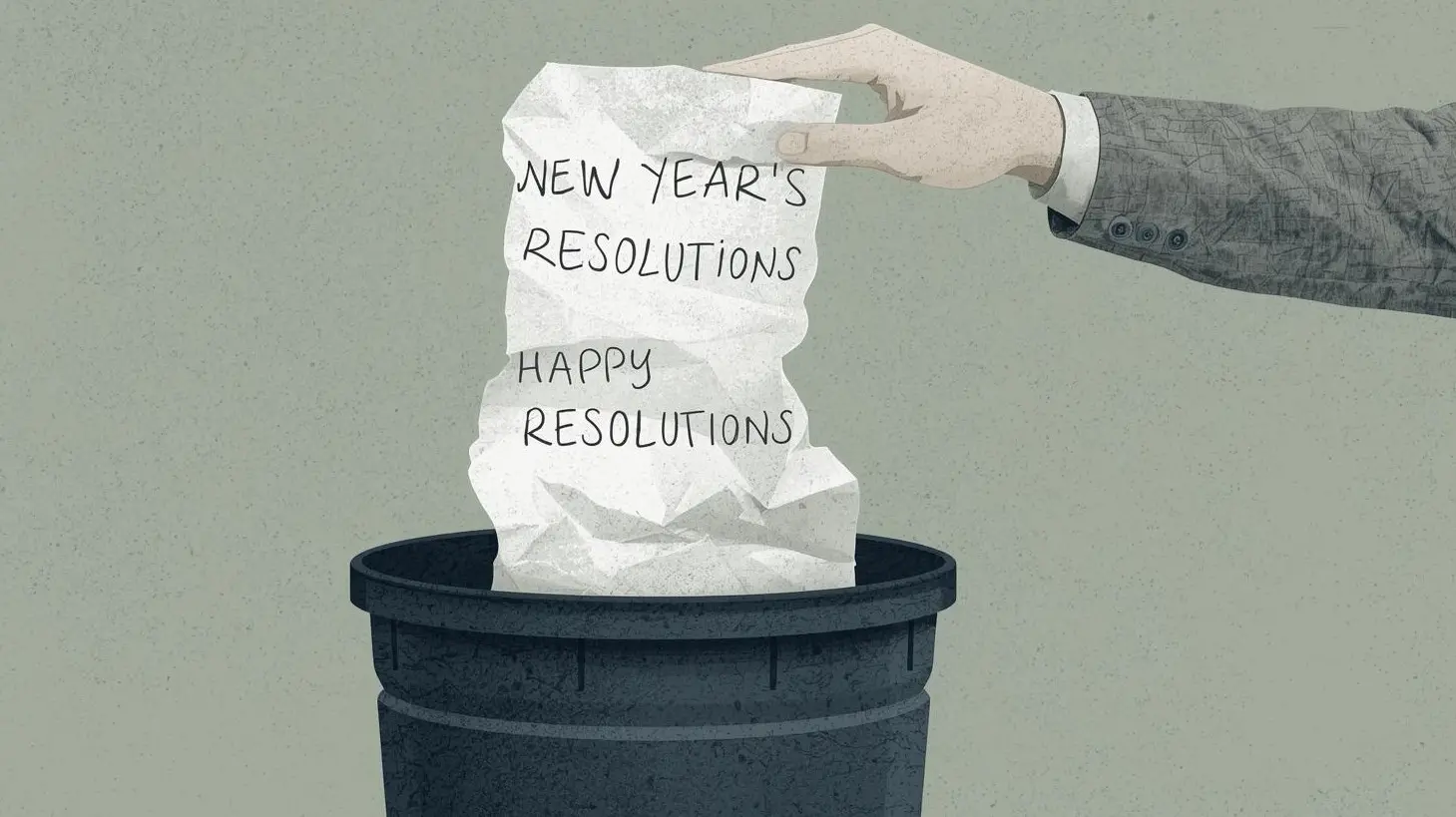
Are New Year resolutions really made to break? Discover the real reasons why people fail
 Join WhatsApp
 Join Facebook
 Follow on Instagram
Are New Year Resolutions Really Made to Break? The Truth Behind Why We Quit and How to Change It
Introduction
Every December, millions of people sit down with a notebook or a phone and write their New Year resolutions. Lose weight. Save money. Wake up early. Eat healthier. Build a routine. But ask again in February, and most resolutions have disappeared. This raises a simple question: Are New Year resolutions really made to break?
The truth is, resolutions are not the problem. The problem lies in how people understand, plan, and implement them. In this blog, we will explore why resolutions fail, how your mind reacts to sudden changes, and how you can create goals that actually work.
Why Do Most New Year Resolutions Fail?
There are some common patterns behind why so many people quit.
Too Many Resolutions at One Time
Most people write ten different goals for January without realising that the mind cannot handle sudden overload. When you try to change everything at once, the brain rejects it.
Unrealistic Expectations
People set big resolutions like losing 10 kg in one month or saving half their salary instantly. These goals look inspiring on paper but are unrealistic when applied to real life. The disappointment causes people to quit.
No Emotional Connection
A goal must have a reason behind it. If you make a resolution because everyone else is doing it, it will not last. Unless the mind emotionally connects with a goal, it will not support it.
Habit Shock to the Brain
The human brain is designed for habits. When you try to replace old habits overnight, the mind goes into resistance mode. This is why sudden lifestyle changes do not work.
Lack of a Practical Plan
Writing a resolution takes one minute. But building a system takes time. Most people do not create schedules, trackers, reminders, or small steps. Without a plan, motivation dies quickly.
No Accountability
If no one is tracking your progress, the mind automatically slips into comfort. People often need external or internal accountability to stay consistent.
Are Resolutions Really Meant to Be Broken?
Not at all. Resolutions are simply a way to declare a new beginning. They are not meant to be broken. But when people approach them with the wrong mindset, they collapse.
In fact, both psychology and spirituality agree that the year-end carries powerful energy for transformation. The mind becomes reflective, and the soul becomes ready for change. Resolutions work when aligned with intention, clarity, and discipline.
The Spiritual Reason Why Resolutions Fail
From a spiritual perspective, resolutions fail because:
- The mind carries the old year’s energy.
- Karma from past patterns still influences behaviour.
- Emotional blocks remain unhealed.
- People try to build new habits on old vibrations.
To succeed, energy cleansing and intention-setting must happen before resolutions begin. This makes the mind lighter and more open to new routines.
How to Make New Year Resolutions That Actually Work
Here are simple yet powerful ways to make resolutions stick.
Set Three Core Resolutions Only
Choose three major goals instead of ten. This narrows your focus and increases the chances of success.
Make Micro-Resolutions
Break your resolution into small steps.
Example:
Instead of writing: I will walk 10,000 steps daily
Write: I will walk 3,000 steps this week
Gradually grow it.
Connect Emotionally
Ask yourself:
- Why do I want this?
- What will change in my life if I achieve it?
When the reason is strong, the habit becomes easier.
Start Slow and Add Weekly Upgrades
Give your mind time to adjust.
Do not shock yourself with sudden rules.
Use Habit Anchoring
Connect a new habit to an existing habit.
Example:
After brushing my teeth, I will meditate for two minutes.
After dinner, I will write my gratitude list.
Anchored habits are harder to break.
Track Progress Without Pressure
Use a simple weekly tracker.
No pressure. No perfection.
Just gentle consistency.
Talk to Yourself Kindly
Instead of saying: I failed
Say: I paused but I am continuing
Self-talk shapes your subconscious.
Perform an Intention Ritual on 31 December
A small ritual helps reset your energy.
- Light a diya.
- Hold a glass of water.
- Speak your resolution with clarity.
- Drink the water.
This signals your subconscious mind to accept the new identity.
What Makes Resolutions Successful
Successful resolutions have:
- Clarity
- Simplicity
- Emotional connection
- Realistic planning
- Consistency
- Patience
When these six pillars are present, the mind supports your goals automatically.
Conclusion
New Year resolutions are not made to break. They break because people do not understand how the mind and energy field work. When you set small, meaningful, emotionally connected goals and follow a practical plan, your resolutions become powerful tools for transformation. The key is to start slow, stay gentle with yourself, and focus on progress rather than perfection.
This year, do not write resolutions just to impress others. Write them to change your life. And give yourself the time and space to grow into the person you want to become.
When should I make my New Year resolutions?
Preferably between 28 and 31 December when the mind becomes naturally reflective.
How many resolutions should I set?
Three to five maximum.
What should I do if I break a resolution?
Restart. Do not judge yourself. A small pause does not mean failure.
Are rituals helpful in making resolutions successful?
Yes. Simple rituals help the subconscious mind accept new patterns.
How long does it take to form a new habit?
On average 21 to 60 days depending on the person.
About the Author