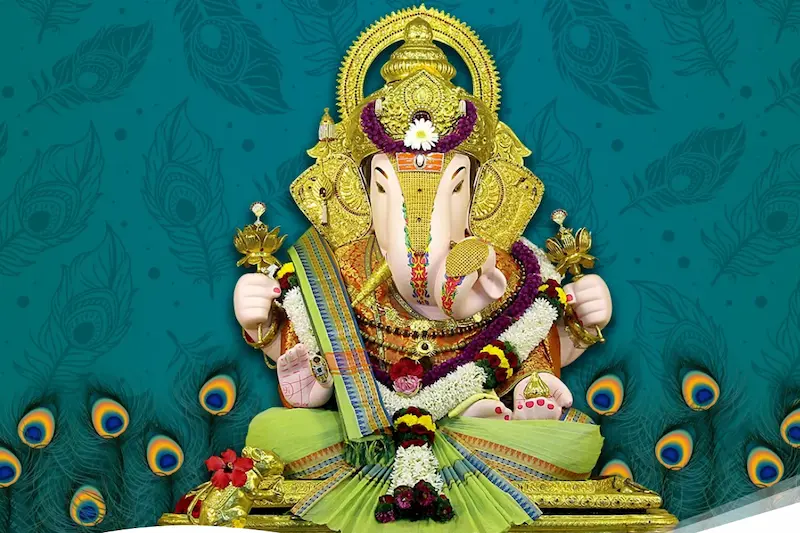
Ganesh Chaturthi is celebrated to honour the birth of Lord Ganesha
Ganesh Chaturthi is celebrated to honour the birth of Lord Ganesha, the elephant-headed deity revered as the remover of obstacles, the god of wisdom, and the harbinger of new beginnings. But the timing and naming “Chaturthi” are no accident.
Why We Celebrate Ganesh Chaturthi
- Mythological Origin: According to Hindu texts, Goddess Parvati created Ganesha from sandalwood paste to guard her while she bathed. When Lord Shiva returned and was stopped by Ganesha, he unknowingly beheaded him. To pacify Parvati, Shiva revived Ganesha with an elephant’s head, marking his divine birth.
- Symbol of Wisdom & Prosperity: Ganesha is invoked at the start of any auspicious event – be it weddings, business ventures, or exams because he’s believed to clear the path of obstacles and bring clarity.
- Cultural Revival: The festival gained public prominence in the 1890s when freedom fighter Lokmanya Tilak transformed it into a community celebration to foster unity during British rule.
Ganesh Chaturthi brings two of Maharashtra’s most vibrant cities Mumbai and Pune alive in an explosion of culture, devotion, and dazzling creativity. From towering idols and gold-laden idols to legacy sites rooted in history, these Ganpati pandals are not just places of worship they’re symbols of community spirit and artistry. Join me on this immersive tour of the most celebrated pandals and discover why they hold a special place in hearts and history.
Why “Chaturthi” Specifically?
- Lunar Timing: “Chaturthi” refers to the fourth day of the waxing moon (Shukla Paksha) in the Hindu month of Bhadrapada (August-September). This day is astrologically significant and considered auspicious for invoking Ganesha’s energy.
- Spiritual Symbolism: In Hindu tradition, each lunar day (tithi) has its own energetic quality. Chaturthi is associated with introspection, removal of ego, and spiritual clarity, qualities that align perfectly with Ganesha’s role as Vighnaharta (remover of obstacles).
- Scriptural Basis: Ancient texts like the Ganapati Atharvashirsha and Puranas mention Chaturthi as the day Ganesha is most receptive to prayers. That’s why devotees fast and perform special rituals on this day.
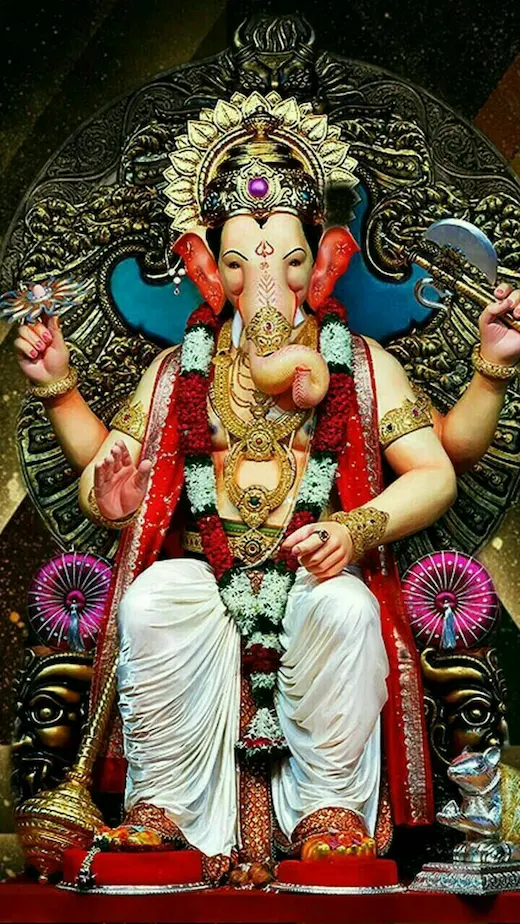
Mumbai’s Ganpati Icons
- Lalbaugcha Raja (Lalbaug)
Known as the Navsacha Ganpati, believed to grant wishes. Founded in 1934, it draws over 1.5 million daily visitors, with queues lasting up to 24 hours for close darshan. - Ganesh Galli Mumbaicha Raja
Established in 1928 by mill workers, this pandal enchants visitors each year with imaginative, theme-based decorators from replicas of the Mars mission to ancient temples. - GSB Seva Mandal (King’s Circle)
Famous for being the richest pandalits Lord Ganesha idol is adorned with kilograms of gold and silver. Deeply rooted in tradition, rituals here run around the clock, and charitable initiatives are part of its legacy. - Khetwadi Cha Ganraj (Girgaon)
Renowned for its towering idols once reaching 40 feet and creative themes that often deliver social messages. - Chinchpokli Cha Chintamani
One of the oldest (since 1920), celebrated for its graceful, nuanced decor and organized darshan queues giving spiritual serenity. - Andhericha Raja (Andheri)
Since 1966, known for fulfilling wishes. The idol immersion is done on the fifth day a tradition that adds unique charm and symbolism. - Others:
- Dongri Cha Raja loved for its neighbourhood devotion and community feel.
- Keshavji Naik Chawl Mumbai’s oldest (since 1893), cherished for simplicity and continuity.
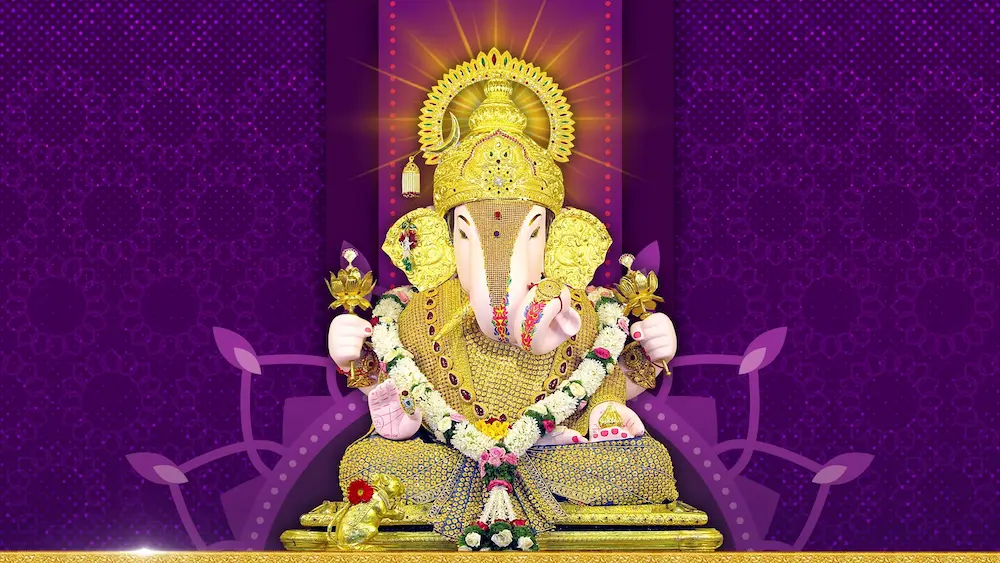
Pune’s Treasured Traditions
- Kasba Ganpati
Pune’s gram daivat, established during Shivaji Maharaj’s era also the site where Lokmanya Tilak inaugurated public Ganeshotsav. Revered for its cultural and historical weight. - Dagdusheth Halwai Ganpati
Dating back to 1896, this is one of Pune’s oldest and most affluent celebrations. The idol here is insured for close to a crore rupees, embodying devotion and grandeur. - The “Manache Ganpatis” Leading Immersion
Pune honors five key idols leading the immersion processions each year: Kasba Ganpati, Tambadi Jogeshwari, Guruji Talim, Tulsibaug Ganpati, and Kesariwada Ganpati. - Guruji Talim Ganpati
A legacy pandal from 1887 that symbolizes communal harmony Hindu-Muslim founders and eco-conscious clay idols. Annual celebrations are self-funded, reflecting dignified tradition. - Tulsibaug Ganesh Mandal
Located in Pune’s iconic market, this pandal (est. 1901) is celebrated for its elaborate set themes and social initiatives such as health camps and awareness drives alongside devotion. - Babu Genu Navsacha Ganpati
Named in tribute to freedom fighter Babu Genu, this pandal combines temple-style aesthetics with patriotic storytelling a blend of history and festival fervor. - Festival Atmosphere in Pune
In 2025, Pune’s pandals showcase community-centric themes from re-enactments of Shivaji’s triumphs to unity rituals, flamboyant processions (like a vintage Triumph Herald!), and eco-conscious decoration.
Mumbai and Pune bring Ganesh Chaturthi to life in remarkably distinct yet equally compelling ways. In Mumbai, grandeur rules with towering idols, cinematic decor, and devotional spectacles that draw staggering crowds. Pune, on the other hand, is a tapestry of tradition rooted in legacy, spirituality, craftsmanship, and social meaning.
Whether you’re chasing Mumbai’s dazzling pandals or soaking in Pune’s heartfelt heritage, this journey promises to enrich your understanding of devotion and cultural expression like never before.
Once can buy Lord Ganesh’s idol on amazon.
FAQ: Frequently Asked Questions
Which is the most popular Ganpati pandal in Mumbai?
Lalbaugcha Raja known as the Navsacha Ganpati, drawing over 1.5 million devotees daily and famed for granting wishes.
What sets GSB Seva Mandal apart?
It’s considered Mumbai’s richest pandal, with a gold-and-silver adorned idol, continuous rituals, and significant charitable work.
Why is Khetwadi Ganraj famous?
For its colossal idols so me times 30-40 feet and powerful social themes embedded in artistic decor.
Which Ganpati leads Pune’s immersion?
The “Manache Ganpatis” starting with Kasba Ganpati, followed by Tambadi Jogeshwari, Guruji Talim, Tulsibaug Ganapati, and Kesariwada Ganpati.
What makes Kasba Ganpati in Pune special?
It’s Pune’s village deity and the starting point of public Ganesh celebrations, thanks to Lokmanya Tilak’s revival. Deeply held in tradition and history.
Are Pune’s pandals socially themed?
Yes, Tulsibaug merges mythological grandeur with social initiatives, Guruji Talim stands for eco consciousness and communal unity, and Babu Genu pandal celebrates freedom movements.
Also read – Why Akshay Tritiya 2025 is the Most Auspicious Day to Start Something New
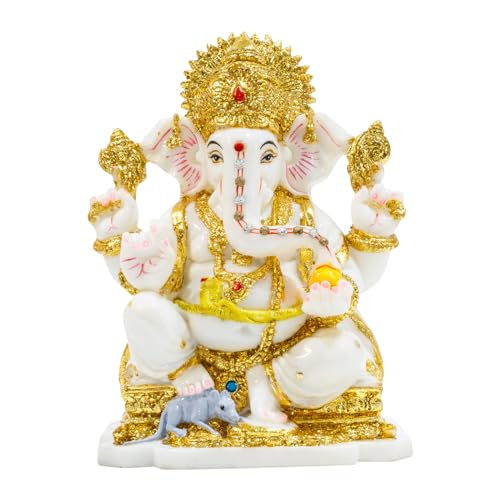
- 1. Material: Made from durable and lightweight polyresin, ensuring long-lasting beauty and easy maintenance
- 2. Design: The idol depicts Lord Ganesh in a seated posture, holding his traditional attributes – the axe, lotus, and mo…
- 3. Color: The statue is predominantly white with elegant golden foiling on the crown, ornaments, and attire, enhancing i…
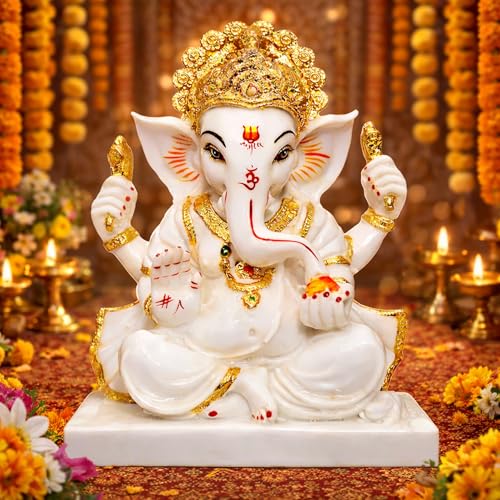
- This statue can be a great gifting option during housewarming parties, birthday parties, weddings, festivals. Statue can…
- Highly detailed product -This Ganesh murti weight 1.5 KG. Size: 23H CM x 16W CM. Quality of This God Idol is best in the…
- This Decorative Murti can be used as Pooja Mandir Interior Decoration Accessories / Table Decor Items or Showcase Decora…
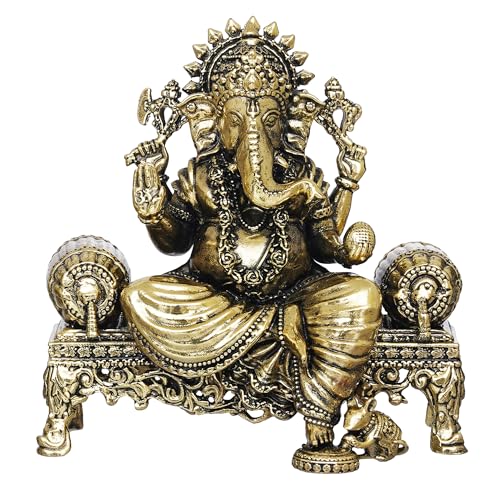
- Lord Ganesha serves as a protector to bring success and prosperity into your life by helping to remove difficult obstacl…
- God Ganesha the Hindu elephant god symbolizes protection and the removal of obstacles from one’s path. His elephant tusk…
- The Ganesh Ji Murti clears the obstacles and paves the way for us to move forward in life. The large elephant head of Lo…
Also read – Waves of Spiritual Energy: Flowing with the Universe
About the Author



1 thought on “Why We Celebrate Ganesh Chaturthi: The Divine Fourth Day”