Pradosh Vrat
The Story and Significance of Pradosh Vrat
In a quiet village nestled between rolling hills, lived a devout man named Arjun. Every fortnight, as the sun dipped below the horizon, Arjun would light a lamp, offer prayers, and observe a fast. This ritual, known as Pradosh Vrat, was his way of seeking Lord Shiva’s blessings.
What is Pradosh Vrat?
Pradosh Vrat is a sacred observance in Hinduism, dedicated to Lord Shiva. It falls on the 13th day (Trayodashi) of each lunar fortnight, occurring twice a month—once during the waxing moon (Shukla Paksha) and once during the waning moon (Krishna Paksha). The term “Pradosh” refers to the twilight period just after sunset, considered an auspicious time for worship.
The Story Behind Pradosh Vrat
According to ancient scriptures, during the churning of the ocean (Samudra Manthan), a deadly poison emerged, threatening to destroy the universe. To save creation, Lord Shiva consumed the poison, holding it in his throat, which turned blue, earning him the name “Neelkanth.” Pleased by the devotion of the gods who prayed during the twilight hours, Lord Shiva granted them boons. This event is commemorated through the observance of Pradosh-Vrat.
Rituals of Pradosh Vrat
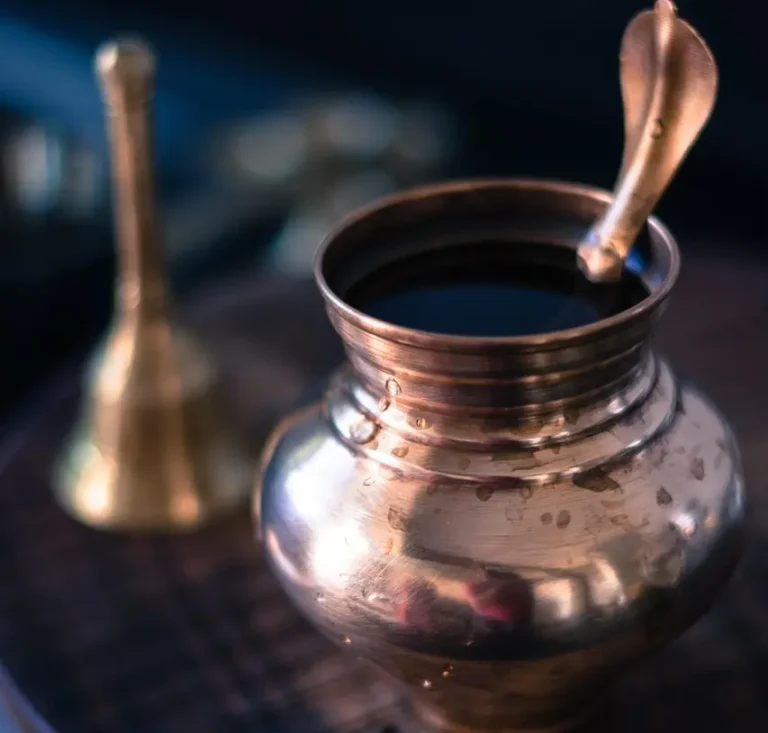
Pradosh Vrat is not merely a fast but a deeply spiritual practice rooted in devotion to Lord Shiva. The day begins with a purifying bath, symbolizing the cleansing of body and mind. Devotees wear clean, preferably white or saffron clothes, representing purity and surrender. An altar is prepared with an idol or image of Lord Shiva, often accompanied by a Shiva Lingam, which is worshipped with great reverence. A lamp is lit to dispel darkness, and incense sticks are offered to create a sacred atmosphere.
Offerings play a central role in the rituals. Fruits, sweets, flowers, and especially bel (Bilva) leaves are presented, as they are considered highly auspicious for Lord Shiva. Devotees perform abhishekam (ritual bathing of the Shiva Lingam) with water, milk, honey, and ghee, symbolizing purification and devotion. The chanting of mantras, particularly the Maha Mrityunjaya Mantra and “Om Namah Shivaya,” is done 108 times, invoking divine blessings and protection from negative energies.
The fast itself is observed with discipline, beginning at sunrise and continuing until sunset. Many devotees abstain from grains and salt, consuming only fruits, milk, or light vegetarian food. The essence of the fast lies not only in physical abstinence but also in mental focus, meditation, and prayer. During the twilight period, known as Pradosh Kaal, devotees gather for the main puja. This time is believed to be when Lord Shiva performs the Ananda Tandava, showering blessings on those who worship with sincerity.
After the evening prayers, the fast is broken with offerings to Lord Shiva and distribution of prasad among family members and fellow devotees. Observing Pradosh Vrat with devotion is said to remove sins, bring peace, prosperity, and spiritual upliftment. It is a practice that connects the devotee directly with divine energies, fostering inner harmony and alignment with cosmic rhythms.
Fasting Rules
- Preparation: Wake up early, bathe, and wear clean attire.
- Diet: Consume fruits, milk, or light vegetarian food; avoid grains and salt.
- Prayers: Chant Shiva mantras and meditate during the Pradosh period.
- Breaking the Fast: After sunset, following the evening prayers.
Pradosh Vrat Dates in 2026
| Month | Date & Day | Type of Pradosh |
|---|---|---|
| January | 1 (Thursday) | Guru Pradosh |
| January | 16 (Friday) | Shukra Pradosh |
| January | 30 (Friday) | Shukra Pradosh |
| February | 14 (Saturday) | Shani Pradosh |
| February | 28 (Saturday) | Shani Pradosh |
| March | 15 (Sunday) | Ravi Pradosh |
| March | 29 (Sunday) | Ravi Pradosh |
| April | 13 (Monday) | Som Pradosh |
| April | 27 (Monday) | Som Pradosh |
| May | 12 (Tuesday) | Mangal Pradosh |
| May | 26 (Tuesday) | Mangal Pradosh |
| June | 11 (Thursday) | Guru Pradosh |
| June | 25 (Thursday) | Guru Pradosh |
| July | 10 (Friday) | Shukra Pradosh |
| July | 24 (Friday) | Shukra Pradosh |
| August | 9 (Sunday) | Ravi Pradosh |
| August | 23 (Sunday) | Ravi Pradosh |
| September | 7 (Monday) | Som Pradosh |
| September | 21 (Monday) | Som Pradosh |
| October | 6 (Tuesday) | Mangal Pradosh |
| October | 20 (Tuesday) | Mangal Pradosh |
| November | 5 (Wednesday) | Budh Pradosh |
| November | 19 (Wednesday) | Budh Pradosh |
| December | 4 (Friday) | Shukra Pradosh |
| December | 18 (Friday) | Shukra Pradosh |
Frequency of Pradosh-Vrat Pradosh Vrat occurs twice a month, aligning with the 13th day of each lunar fortnight. This results in approximately 24 observances annually.
Conclusion
Pradosh-Vrat is a profound expression of devotion to Lord Shiva, offering an opportunity for spiritual growth and inner peace. By observing this fast with sincerity and dedication, devotees seek to align themselves with divine energies, inviting blessings into their lives.
Frequently Asked Questions (FAQs) about Pradosh Vrat
1. What is Pradosh Vrat?
Pradosh Vrat is a Hindu fast dedicated to Lord Shiva, observed on the Trayodashi (13th day) of each lunar fortnight.
2. How often does Pradosh Vrat occur?
It occurs twice a month, once during Shukla Paksha and once during Krishna Paksha, totaling about 24 times annually.
3. What is the significance of Pradosh Kaal?
Pradosh Kaal refers to the twilight period after sunset, considered the most auspicious time to worship Lord Shiva.
4. What rituals are performed during Pradosh Vrat?
Devotees bathe, wear clean clothes, light lamps and incense, offer bel leaves, chant mantras, and observe fasting until evening prayers.
5. Can anyone observe Pradosh Vrat?
Yes, anyone seeking Lord Shiva’s blessings can observe Pradosh Vrat with devotion and sincerity.
6. What foods are allowed during the fast?
Fruits, milk, and light vegetarian food are permitted. Grains and salt are usually avoided.
7. How is the fast broken?
The fast is broken after sunset, following evening prayers and offerings to Lord Shiva.
8. What mantras are chanted during Pradosh Vrat?
The Maha Mrityunjaya Mantra and Om Namah Shivaya are commonly recited for spiritual upliftment.
9. What is the story behind Pradosh Vrat?
It commemorates Lord Shiva consuming poison during Samudra Manthan, saving the universe and earning the name Neelkanth.
10. What benefits do devotees gain from Pradosh Vrat?
Observing Pradosh Vrat is believed to bring peace, prosperity, removal of sins, and blessings from Lord Shiva.