
Can’t Read the Full Durga Saptashati? Which Shlokas Should You Chant This Navratri?
| Forge Your Best Self
Introduction: Why Navratri Is the Best Time for Durga Saptashati
Navratri, the nine-night festival celebrating Maa Durga, is the most auspicious period to recite Durga Saptashati, also known as Devi Mahatmyam. Composed of 700 powerful verses, this sacred text narrates the Goddess’s victory over evil forces like Mahishasura, Shumbha, and Nishumbha.
However, for many devotees, reading the entire scripture is challenging due to time constraints or complex Sanskrit. The good news? You can still receive divine blessings by chanting selected shlokas, especially during Navratri, without reading all 700 verses.
This blog highlights the most powerful Durga Saptashati shlokas, their meanings, significance in daily life, and practical ways to incorporate them during Navratri.
Famous Durga Saptashati Shlokas to Chant This Navratri
Durga Saptashati Shloka
1. Argala Stotram Shloka – For Protection and Fulfillment of Desires
Sanskrit:
ॐ जयन्ती मङ्गला काली भद्रकाली कपालिनी।
दुर्गा क्षमा शिवा धात्री स्वाहा स्वधा नमोऽस्तुते॥
English Transliteration:
Om Jayanti Mangala Kali Bhadrakali Kapalini,
Durga Kshama Shiva Dhatri Swaha Swadha Namo Stute.
Meaning:
Salutations to Maa Durga, who is victorious, auspicious, fierce yet protective, forgives, supports the world, and grants offerings and blessings.
Importance:
Protects against obstacles and negativity.
Brings courage, confidence, and peace.
Ideal for chanting in the morning or during Durga puja rituals.
2. Devi Kavacham Verse – For Shielding Against Negativity
Sanskrit:
या देवी सर्वभूतेषु शक्तिरूपेण संस्थिता।
नमस्तस्यै नमस्तस्यै नमस्तस्यै नमो नमः॥
English Transliteration:
Ya Devi Sarvabhuteshu Shakti Rupena Samsthita,
Namastasyai Namastasyai Namastasyai Namo Namah.
Meaning:
Salutations to the Goddess who dwells in all beings in the form of energy.
Importance:
Protects family and home.
Helps focus during meditation.
Recite 3, 11, or 21 times daily for spiritual protection.
3. Kshama Prarthana – Prayer for Forgiveness
Sanskrit:
अपराधसहस्राणि क्रियन्तेऽहर्निशं मया।
दासोऽयमिति मां मत्वा क्षमस्व परमेश्वरि॥
English Transliteration:
Aparadha Sahasrani Kriyante Ahar Nisham Maya,
Daso’yam Iti Mam Matva Kshamasva Parameshwari.
Meaning:
O Divine Mother, I commit thousands of mistakes daily. Please forgive me, considering me your humble servant.
Importance:
Builds humility and surrender.
Reduces anxiety and guilt.
Ideal for chanting before sleep or after puja.
4. Navarna Mantra – For Strength, Wisdom, and Blessings
Sanskrit:
ॐ ऐं ह्रीं क्लीं चामुण्डायै विच्चे॥
English Transliteration:
Om Aim Hreem Kleem Chamundayai Vichche.
Meaning:
Invokes Maa Chamunda, granting wisdom (Aim), energy (Hreem), and divine attraction (Kleem).
Importance:
Central mantra of Durga Saptashati.
Chanted for success, protection, and confidence.
Recite during Navratri 108 times for best results.
5. Shanti Path Shloka – For Peace and Harmony
Sanskrit:
ॐ सर्वमङ्गलमाङ्गल्ये शिवे सर्वार्थसाधिके।
शरण्ये त्र्यंबके गौरी नारायणी नमोऽस्तुते॥
English Transliteration:
Om Sarvamangala Mangalye Shive Sarvartha Sadhike,
Sharanye Tryambake Gauri Narayani Namostute.
Meaning:
Salutations to Maa Narayani, the source of auspiciousness, who grants success, refuge, and peace.
Importance:
Recite after puja or before sleep.
Brings harmony in relationships and home.
How to Incorporate These Shlokas During Navratri
- Morning Ritual: Chant “Ya Devi Sarvabhuteshu” for protection.
- Work or Study: Recite Navarna Mantra for focus and courage.
- Evening Puja: End with “Sarvamangala Mangalye” for peace.
- Before Sleep: Recite Kshama Prarthana to seek forgiveness.
- Navratri Special: Read 1–2 chapters from Durga Saptashati along with these shlokas.
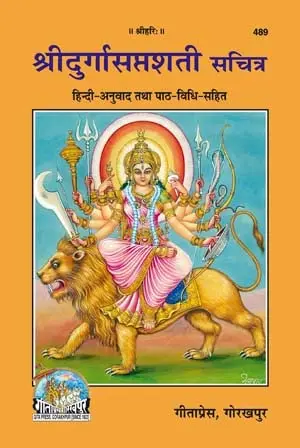
by Geeta Press Gorakhpur – Hardcover edition.
🛒 Buy on Amazon
Importance of Reading Durga Saptashati
- Strengthens spiritual connection with Maa Durga.
- Removes obstacles and negativity.
- Brings courage, confidence, and mental clarity.
- Helps maintain a positive and harmonious home environment.
Frequently Asked Questions
What is Dussehra and why is it celebrated?
Dussehra, also known as Vijayadashami, celebrates the victory of good over evil, symbolized by Lord Rama defeating Ravana.
What is Ravan Dahan?
Ravan Dahan is the burning of Ravana’s effigy, symbolizing the destruction of ego, arrogance, and evil.
When is Dussehra celebrated in 2025?
In 2025, Dussehra will be celebrated on Thursday, October 2.
What are the key rituals of Vijayadashami?
Key rituals include Ayudha Puja, Ram Leela performances, Seema Avalanghan, and Durga Visarjan.
What does Ravana symbolize?
Ravana symbolizes inner demons like ego, lust, and greed. Burning his effigy represents overcoming these traits.
Is Dussehra celebrated differently across India?
Yes. North India focuses on Ram Leela and Ravan Dahan, while South India celebrates Ayudha Puja and Mysuru Dasara.
Can children participate in Dussehra rituals?
Absolutely. Children enjoy dressing up, watching Ram Leela, and learning moral lessons from the festival.
What is Ayudha Puja?
Ayudha Puja is the worship of tools, books, and instruments, symbolizing respect for knowledge and skills.
What is Seema Avalanghan?
A Maharashtrian ritual where people cross boundaries and exchange apta leaves as symbols of prosperity.
Why is Dussehra considered auspicious for new beginnings?
It marks the triumph of virtue, making it ideal for starting new ventures, studies, or spiritual practices.
- How to Celebrate Shardiya Navratri 2025: Rituals, Dates & Devotion
- How to do Navratri Puja at Home: Complete Guide to Rituals, Chants, and Benefits
- Durga Puja vs Navratri: Same Goddess, Different Celebrations
- Navratri Fasting Food List: What to Eat, What to Avoid and Vrat-Friendly Recipes
- Why Did Ravan Kidnap Sita? Symbolism, Mythology & Lessons from the Ramayana
- How Ten Heads of Ravan Reflect Spiritual Wisdom?
- What to wear when visiting Golu – Golu Fashion 2025
- How to Meditate with Mantras
- Kanya Puja on Ashtami or Navami in Sharad Navratri
- Victory Unleashed: Ravana Effigy Burning Marks Dussehra’s Sacred Message