
When Festivals Bring More Stress Than Joy
The Gita – Timeless Solutions – Festivals are supposed to be moments of celebration, love, and togetherness. Yet, for many, they bring stress, overwhelm, and emotional exhaustion.
Imagine waking up on a festive morning, knowing there are dozens of tasks waiting: shopping for gifts, decorating the house, preparing meals, attending family gatherings, and keeping everyone happy. Your mind races, your heart feels heavy, and the joy of the festival gets buried under worry which is quite natural.
This is where the Bhagavad Gita, the timeless spiritual guide of India, offers practical wisdom. It teaches how to maintain mental balance, embrace duty without stress, and approach life with equanimity, patience, and mindfulness, even during the busiest festive times.
Festivals are meant to nourish the soul, not drain it. By applying Gita teachings, we can celebrate with joy, not anxiety, and turn each festival into a spiritual journey.
Understanding Festive Stress – Why We Feel Overwhelmed
At times, you must have experienced a Festive stress which could be mental stress, emotional, and physical strain.
Common causes include:
- High expectations: Wanting everything perfect, from decorations to meals.
- Time pressure: Juggling multiple responsibilities in limited hours.
- Financial concerns: Overspending, budgeting stress, or debt worries.
- Emotional strain: Family conflicts, misunderstandings, or at times relationship tension.
- Self-neglect: Ignoring personal rest, diet, or mental calm.
Festive stress is the strain caused by heightened duties, responsibilities, and expectations during celebrations, affecting mind, body, and emotions.
Recognizing these stress triggers is the first step to managing them.
Bhagavad Gita Wisdom for Managing Festive Stress
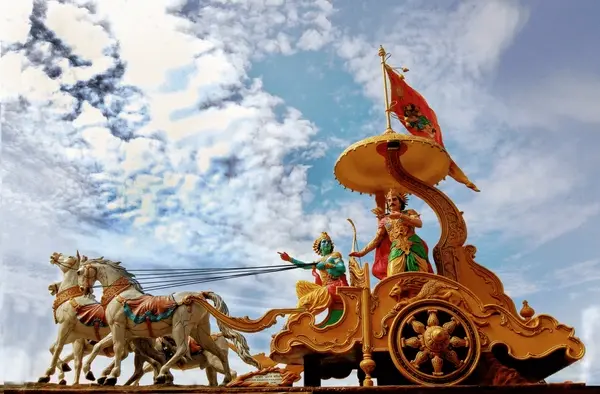
The Bhagavad Gita, a conversation between Lord Krishna and Arjuna on the battlefield, is full of timeless lessons for life’s challenges. Festivals, with all their chaos, can be viewed as a battlefield of the mind, where equanimity and focus are key.
1. Karma Yoga – Focus on Action, Not Outcome
Verse Reference: Bhagavad Gita 2.47 – “You have the right to perform your actions, but not to the fruits of your actions.”
What it means: During festivals, perform all duties wholeheartedly which includes decorating, cooking, buying gifts but remember you do not get obsessed for over perfection or recognition.
Practical Application:
- Cook your best meal, but don’t stress if a dish isn’t perfect.
- Decorate the house lovingly without worrying about Pinterest-level perfection.
- Gift with heart, not to impress others.
Benefit: Reduces anxiety about outcomes and fosters joyful participation in celebrations.
2. Mindfulness and Equanimity (Sthitaprajna)
Verse Reference: Bhagavad Gita 2.56 – “One who is disciplined and balanced in mind is called a Sthitaprajna.”
Meaning: A steady mind experiences pleasure and pain with balance, without emotional overreaction.
Application for Festivals:
- Pause before reacting to family disagreements. Count from 1 to 10 then say something.
- Take a few minutes of deep breathing when overwhelmed by shopping crowds.
- Observe your thoughts without judgment during preparations.
Benefit: Helps you remain calm and present, enjoying the festive moments fully.
3. Detachment (Vairagya) – Reduce Overwhelm
Verse Reference: Bhagavad Gita 3.19 – “Perform your actions without attachment to the results.”
Application:
- Accept that some things may not go as planned. Quite possible, right?
- Let go of comparing your celebrations with others. This would give immense peace.
- Actually you need to focus on the joy of participation, not perfection.
Benefit: Minimizes frustration, guilt, and mental exhaustion.
4. Self-Care and Inner Reflection (Swadhyaya)
Verse Reference: Bhagavad Gita 6.5 – “Lift yourself by yourself; do not degrade yourself.”
Meaning: Take time for inner reflection and self-care, especially during stressful times.
Practical Steps:
- Begin or end your day with a short meditation or prayer. Do try it out on this Diwali.
- Read a few verses of the Gita to gain perspective and see the difference.
- Listen to calming music or nature sounds to reset your mind.
Benefit: Recharges energy and enhances clarity, helping you handle festive demands effectively.
5. Yoga of Balance (Samatvam) – Maintaining Equilibrium
Verse Reference: Bhagavad Gita 2.48 – “Perform your duty with equanimity, treating success and failure alike.”
Application:
- Accept minor mishaps in celebrations as part of life. There can be no fixed rule.
- Approach tasks without emotional extremes.
- Celebrate small victories rather than lament perceived failures.
Benefit: Strengthens emotional resilience and reduces stress-induced conflicts.
Step-by-Step Festival Mindfulness Guide Inspired by Gita
To apply these teachings practically, follow a daily festive routine:
- Morning Ritual: Begin with 5–10 minutes of meditation or chanting.
- Mindful Planning: Write a realistic checklist of tasks, prioritizing essential ones.
- Delegation: Share responsibilities with family members.
- Savor the Moment: When cooking, decorating, or gifting, focus fully on the task.
- Short Pauses: Every hour, take a 2-minute break to breathe and reset. Just like your gadgets need the break when you put them to re-charge.
- Evening Reflection: Review the day with gratitude, focusing on positive moments.
Benefit: You maintain inner balance, enjoy the festival, and reduce mental overload.
Real-Life Examples of Gita Wisdom During Festivals
- Shopping Stress: Instead of rushing through crowded markets, a person practices Karma Yoga, focusing on one item at a time with attention and patience. You can try switching to online option to save yourself from traffic stress.
- Family Conflicts: During a disagreement, mindfulness (Sthitaprajna) prevents emotional outbursts, leading to calm resolutions. Always remember, during festivals, family conflicts will create a vaccum in festival celebration.
- Overcooked or Burnt Food: Detachment allows acceptance without frustration, everyone still enjoys the meal. You can quickly whip up a quick smoothie to balance it out rather then fretting, you will feel a winner as shortcomings in the food will not become a reason of frustration.
- Gift Anxiety: Giving from the heart rather than impressing others strengthens relationships and reduces stress.
Applying Bhagavad Gita Teachings for Mental Health
Scientific studies support mindfulness, detachment, and focused action for stress reduction:
- Lowers cortisol levels (stress hormone)
- Improves emotional regulation
- Enhances clarity and decision-making
- Increases resilience during high-pressure situations
Applying Bhagavad Gita teachings improves emotional resilience and reduces stress by combining mindfulness, detachment, and focused action.
How Festivals Can Become Spiritual Practice
Festivals, when approached mindfully, become opportunities for spiritual growth:
- Mindful Cooking: Preparing food with gratitude becomes an offering.
- Decorating with Intent: Each decoration can represent love, joy, and gratitude.
- Gift-Giving: Sharing without attachment becomes a selfless act (Seva).
- Celebration as Meditation: Being present, observing emotions, and practicing patience transforms festive tasks into spiritual exercises.
7 Practical Bhagavad Gita Rituals for Festive Peace
- Daily Verse Reading: Read one verse daily for insight and grounding.
- Meditation Before Action: Even 5 minutes before cooking or shopping reduces anxiety.
- Chanting Mantras: Recite “Om Namo Bhagavate Vasudevaya” or other favorite mantras.
- Mindful Eating: Eat slowly, appreciating each bite.
- Gratitude Journal: Note 3–5 things you are thankful for each day.
- Detachment Practice: Reflect on the impermanence of outcomes.
- Evening Reflection: Observe emotional highs and lows with equanimity.
Celebrate with Balance, Joy, and Mindfulness
Festive stress is common, but it doesn’t have to overpower the joy of celebrations. By practicing Karma Yoga, detachment, mindfulness, and inner reflection, we can turn festivals into moments of spiritual growth, gratitude, and emotional balance.
The Bhagavad Gital teaches that life’s challenges are opportunities for self-mastery. Just as Arjuna gained clarity and focus amid a battlefield, we too can navigate festival chaos with patience, awareness, and love.
Let this festive season be a journey of inner calm, joyful participation, and mindful celebration. By integrating Gita wisdom, every festival can become not just a ritual, but a transformative experience for mind, body, and soul.
FAQs – Bhagavad Gita Teachings for Festive Stress
Q1. Can Bhagavad Gita help reduce festival anxiety?
Yes, its teachings on detachment, duty, and mindfulness lower stress and improve mental balance.
Q2. How do I practice Karma Yoga during festivals?
Focus fully on each task i.e. cooking, decorating, or shopping without obsessing over results.
Q3. How long should I meditate during festive chaos?
Even 5–10 minutes daily can bring calm and clarity.
Q4. How can I apply detachment to family conflicts?
Act lovingly and fulfill duties without reacting emotionally to disagreements.
Q5. Are these teachings practical in modern festive life?
Absolutely. Mindfulness, equanimity, and self-reflection are timeless tools for mental well-being.
Q6. Can gratitude practices help?
Yes, they shift focus from stress to joy and abundance, enhancing inner peace.
Q7. How can I use Gita teachings to enjoy festivals more?
By combining mindful action, emotional balance, and spiritual reflection, you can savor each moment without overwhelm.
Q8. Is it necessary to read the full Bhagavad Gita to apply these teachings?
No. Even applying a few key verses on Karma Yoga, detachment, and mindfulness daily can make a significant difference.
Q9. What is Sthitaprajna and how does it help during festivals?
Sthitaprajna is a balanced state of mind. It helps you stay calm and composed amid festive chaos and emotional triggers.
Q10. Can Gita teachings improve relationships during festivals?
Yes. Practicing detachment, compassion, and mindful communication fosters harmony and reduces conflict during celebrations.